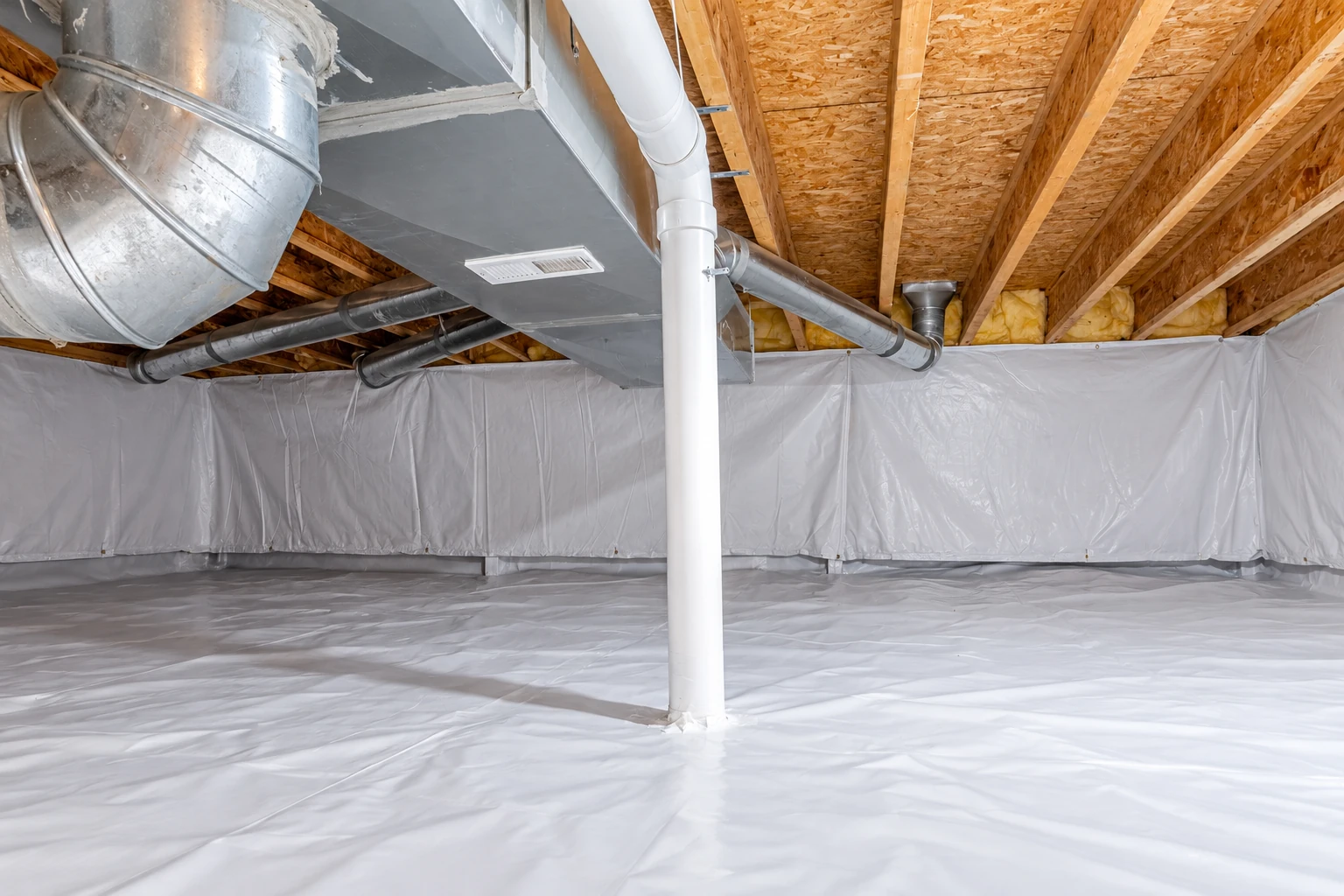
Vapor barrier installation in City of Atwater, CA - a crawl space covered wall to wall
Damp dirt or torn plastic under the house? We cover the crawl space floor in fresh sheeting, seams overlapped and edges fastened so it stays put.
- Photos before a price I show you photos of your crawl space before quoting.
- Seams lapped, edges fastened Overlapped seams and fastened edges keep the sheeting in place.
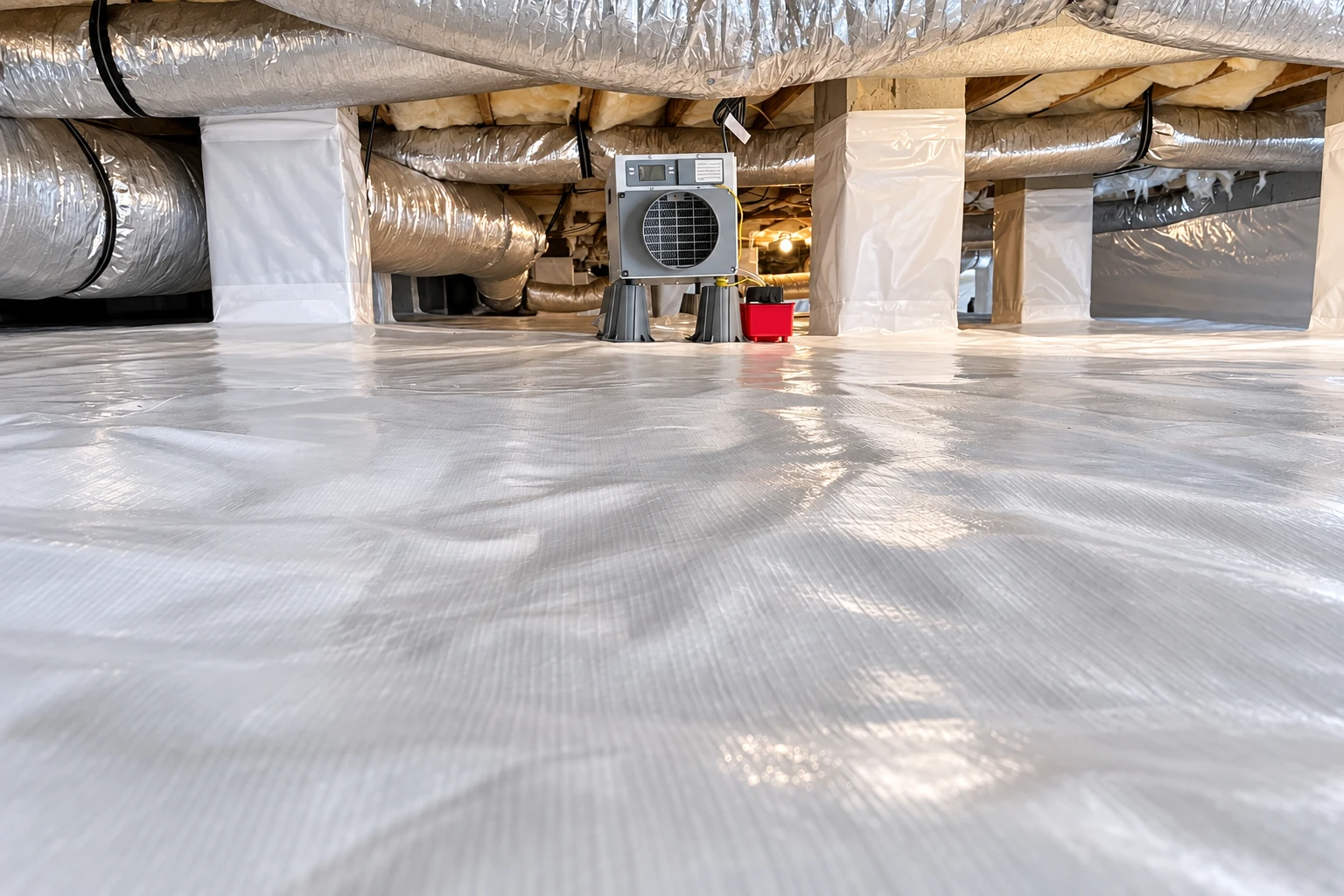
- Runner to the furnace Ask for a heavier strip along the path to your furnace.
- Thin or heavy, explained We go over what each sheeting thickness means for cost and lifespan.
- Licensed and insured.
- Free quotes on site.
- We respond within 1 business day.
How do you know your crawl space needs a vapor barrier?
Most crawl space trouble starts small and out of sight, so it's worth knowing what to look for before damp spreads into the wood and the rooms above.
Bare dirt under the house
You open the hatch and see nothing but dirt. Ground moisture rises into the space toward your floors, and it keeps coming every day the dirt stays uncovered.
Torn or bunched-up plastic
There's plastic down there, but it's ripped, rolled back or pushed into piles. Every bare patch lets damp in, and every trip through usually tears it further.
Plastic that stops short of the walls
The sheet covers the middle but stops before the foundation walls and piers. Moisture slips up around those open edges, so the cover only does part of its job.
A musty smell inside
Rooms over the crawl space smell earthy or stale. That usually means damp air from below is working its way into the house, and it won't clear on its own.
Wet dirt after the sprinklers run
Wet dirt or puddles show up under the house after the sprinklers run or a storm. Water's getting in from outside, and it needs sorting before any cover goes down.
Damp wood under the floors
The beams and boards under your floors feel damp or bead with water. That's moist air condensing on cool wood, and wood that stays wet long enough starts to rot.
How we handle vapor barrier installation
Vapor barrier installation in City of Atwater, CA starts under your house, where a plastic ground cover goes over the dirt floor and up the walls, piers and footings so the whole floor is covered and less ground moisture and soil gas make it into your rooms. Before any sheeting goes down, I look at where water's getting in, because in a vented crawl space most of it comes from yard grading, missing drainage around the foundation or the way the sprinklers run, and plastic laid over a wet floor just hides the trouble. Once that's sorted and you've cleared out anything stored down there, our crew rolls out the sheeting, overlaps the seams and fastens the edges so it stays where we put it, and we can add a heavier runner along the path to your furnace so the next service visit doesn't tear it up. I'll talk you through thinner versus heavier sheeting and what each one means for cost and how long it lasts. Your price mostly comes down to the size of the crawl space, how much clearing or water work has to happen first and which sheeting you pick, and those same things set the schedule, so the written estimate is where you'll see your own numbers.
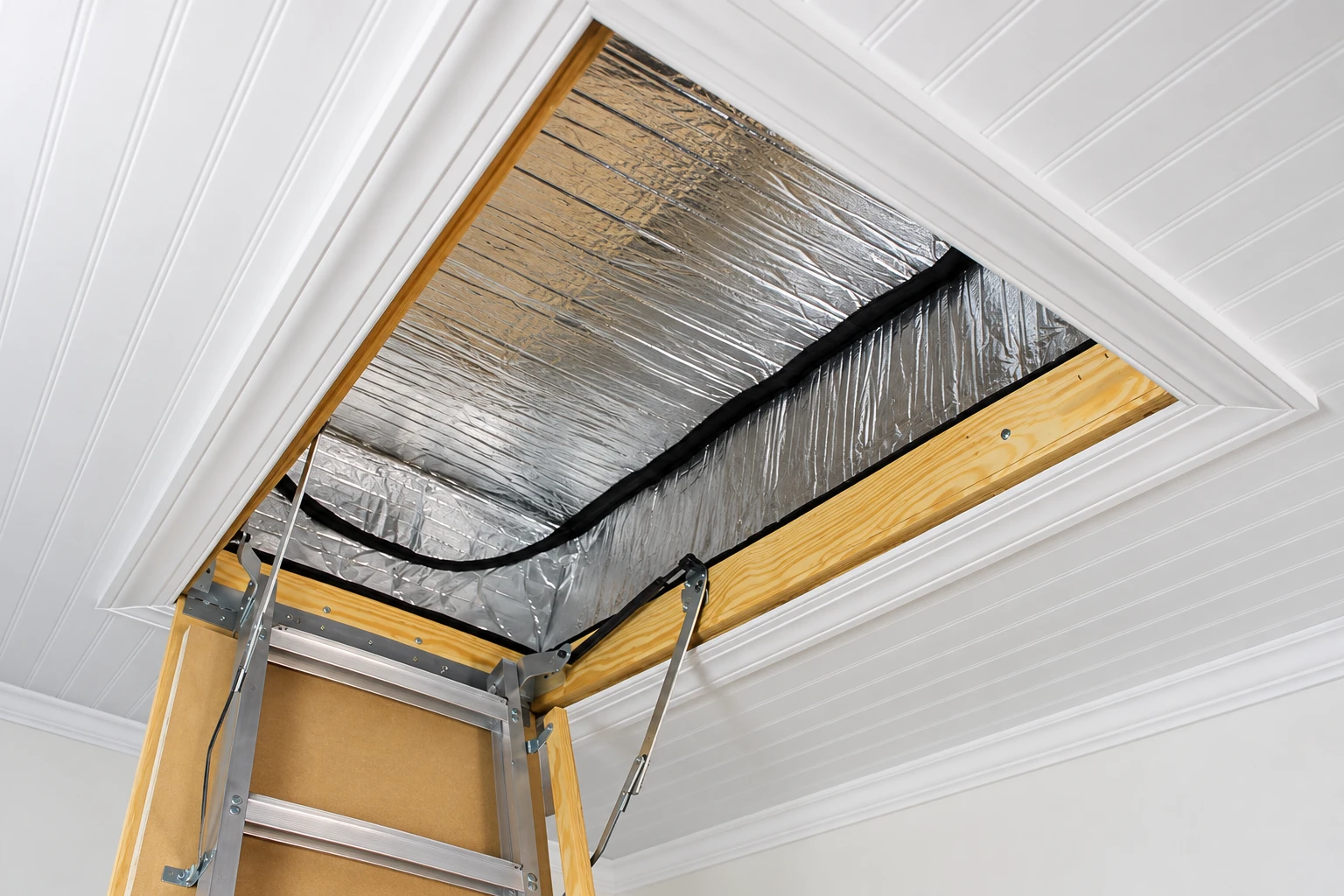
A ground cover deals with damp coming up from the dirt, but drafts and a high power bill usually start somewhere else. If rooms still feel drafty, attic air sealing closes the gaps around lights, pipes and the attic hatch so warm and cool air stay where you want them, and in an older house with thin or missing insulation, retrofit insulation adds it to the walls and attic you already have. I'm glad to look at all of it on the same visit, and I'll tell you plainly which parts are worth doing now.
What happens when you call us about a vapor barrier in Atwater?
Here's how a vapor barrier job usually goes, from the first call to the walk-through once the sheeting's down.
Call or send a request
Call or send the form and tell us what you're noticing under the house. We'll set up a time for me to come out.
Look it over together
I look over the crawl space with you, show you photos of what I found and go over a written estimate before anything gets decided.
Prep and lay the sheeting
Once you say go, our crew preps and protects the house, then lays the sheeting across the whole floor and up the walls.
Walk the finished job
When the work's done, I walk through it with you, and you can see for yourself how the cover reaches the walls and piers.
Why Atwater homeowners call Atwater Spray Foam Insulation
I quote it and work it
I'm the one who looks at your crawl space, and I work alongside our crew on the install, so nothing gets lost.
From helper to owner in Atwater
I started as a helper crawling under houses, then opened our Atwater business in 2023, so I know where to look.
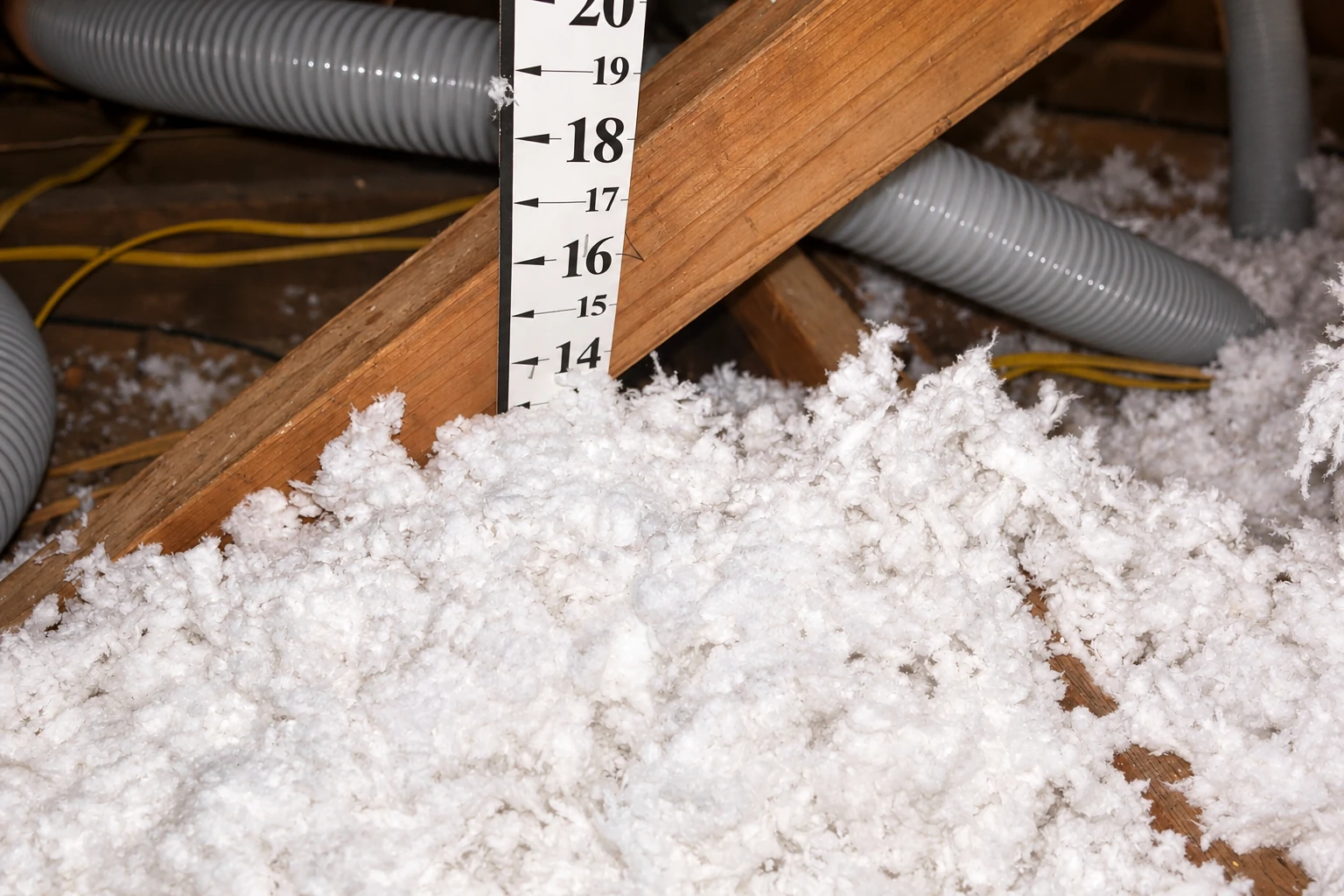
Licensed and insured under your house
We're licensed and insured, so you're not taking on the risk of an uncovered crew working under your house.
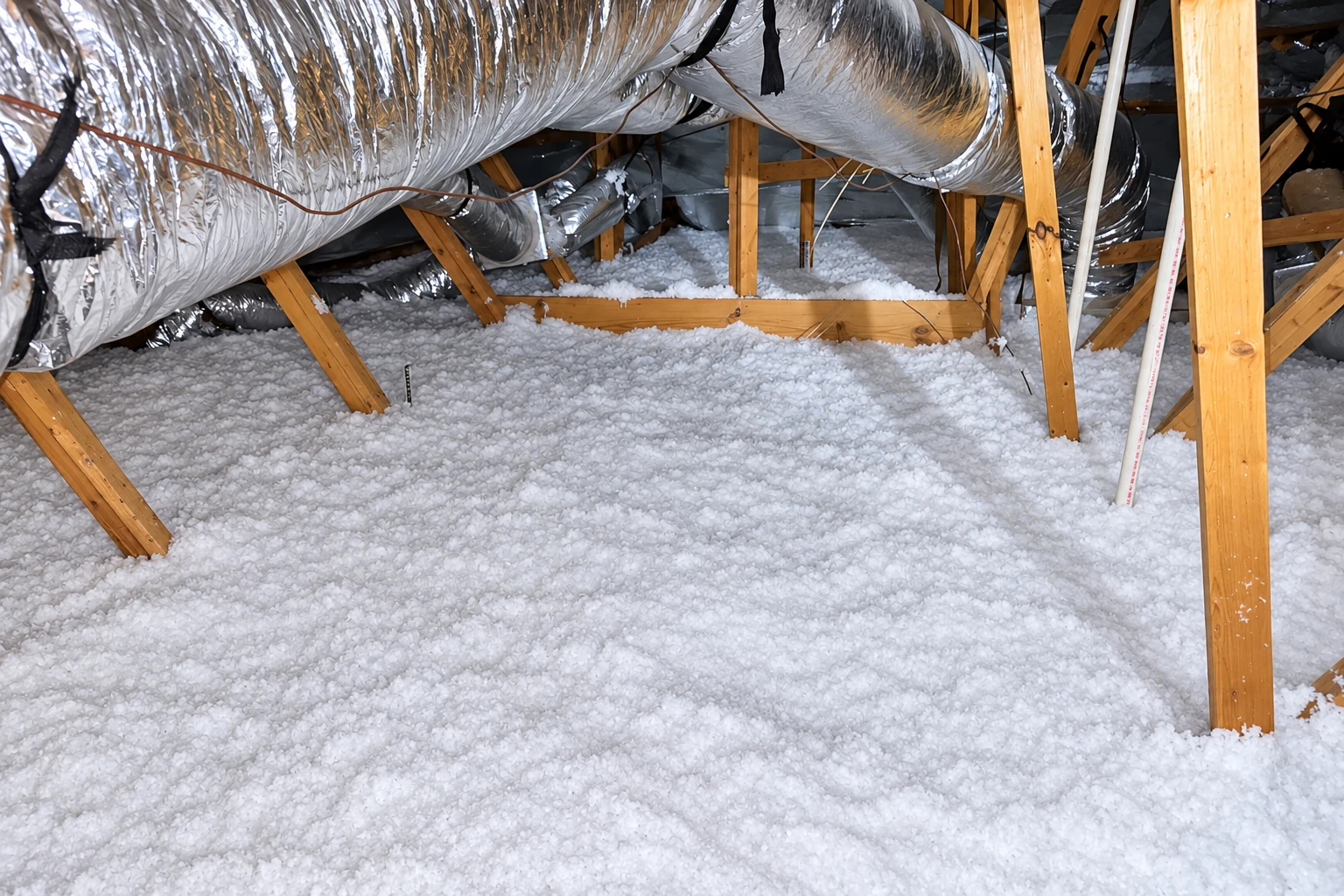
No pushing into bigger jobs
I explain your crawl space in plain words, so you pick the job you need and not a bigger one.
Get a written vapor barrier estimate
Tell us roughly how big your crawl space is, whether it has vents and if you've seen standing water. We'll reply within one business day to set up a free on-site estimate, with no obligation.
Vapor barriers in crawl spaces
Take a look through these examples of crawl space ground covers to see how sheeting runs across the floor and up the walls.
Common vapor barrier questions
Here are answers to what people ask us most about crawl space vapor barriers. If your crawl space has something odd going on, call and ask about it.
How much does a crawl space vapor barrier cost in Atwater?
A basic vapor barrier, with plastic over the dirt floor only, usually costs about $0.50 to $1.50 per square foot across the US. That's a national figure for the simplest version, so running the plastic up the walls and piers, picking heavier sheeting or fixing water first all push it higher. I'll put your own number in writing after I've seen the space.
Do I need a vapor barrier if my crawl space has vents?
Yes, the plastic belongs over the dirt whether your crawl space is vented or not. Plan on the cover either way and treat the vents as their own question. I'm glad to talk through both when I come out.
How long does crawl space vapor barrier plastic last?
Thickness is measured in mil, thousandths of an inch, and one cost guide puts a 6-mil sheet at 3 to 5 years and a 20-mil reinforced barrier at 25 years or more. Federal energy guidance treats 6 mil as the minimum, so heavier sheeting costs more up front but may last far longer. If you plan to stay in the house a good while, the heavier sheet usually makes more sense.
Can I install a crawl space vapor barrier myself in California?
You can, but it's slow, cramped work, and the plastic has to run up the walls and piers with every seam overlapped to do its job. If you hire someone, California lets an unlicensed person take a minor job only up to $1,000, and only when it needs no permit and they have no employees, so anything bigger or with a helper goes to a licensed contractor. We're happy to quote it either way.
How do I prepare my crawl space for a vapor barrier?
Clear out anything stored in the crawl space and any loose debris so the cover can reach the whole floor. If there's old torn plastic down there, leave it for now, and we'll decide together whether it comes out when I'm on site.
Should I close off my crawl space vents?
Sometimes, but it's a bigger job than a ground cover. A crawl space built unvented, air-sealed, insulated and conditioned so it's heated and cooled with the house can have real advantages, including less condensation on the floor framing from humid air coming in through the vents. I'd only suggest it if your house calls for it, and we'd talk it through at the estimate.
Cities we cover around Atwater
Atwater's Building Division issues permits here, and if your job needs one, we'll say so up front and handle it. Pick your city below or call us.
Talk to us about your crawl space vapor barrier
Call (209) 203-1623 seven days a week, into the evening, and know the work is backed by our satisfaction guarantee.