Air sealing services in City of Atwater CA - fewer drafts and steadier rooms
Drafty rooms, a hot upstairs or a power bill that keeps climbing usually mean air is slipping through gaps we can find and close.
- Hidden leaks found too We check under old insulation, not just around doors and fans.
- Photos before any price I show you what I found before the written estimate.
- Gas appliance check We talk through testing your furnace or water heater before and after.
- Owner on the job I look over your house and work beside our crew.
- Licensed and insured.
- Free quotes on site.
- We respond within 1 business day.
How can you tell your house is leaking air?
Air leaks usually start small, and catching them early keeps the fix simple, before damp framing or a bigger insulation job gets added to the list.
Drafts around doors and outlets
You feel moving air near door frames, outlets or the attic hatch. That's usually outside air getting in, and the heater or AC pays for it every day.
One room hot, the next one cold
Rooms that never match usually have leaks above or around them. Waiting means living with it and running the system harder to make up the difference.
A power bill that keeps climbing
When the bill creeps up and nothing else changed, conditioned air is often leaking out through the attic. Every month you wait, you're paying to cool the outdoors.
The room over the garage
It's hotter in summer and colder in winter than the rest of the house. Gaps into the garage and attic are usually part of it, and they won't close themselves.
Gray streaks on old insulation
Gray patches on attic insulation usually mark where air has filtered through it for years. The leak is still underneath, and piling more on top won't stop it.
Cold floors over the crawl space
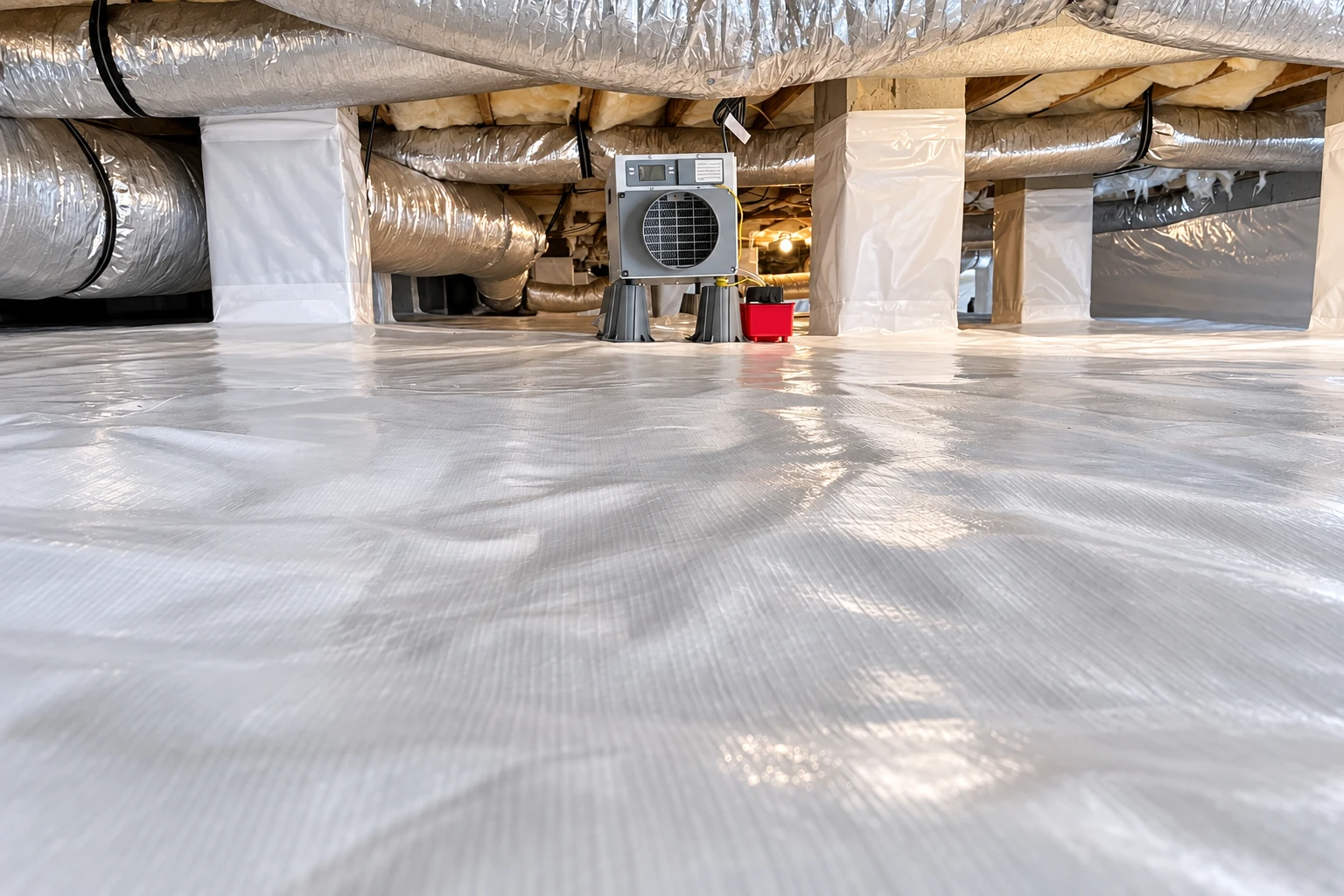
Floors that feel cold underfoot often sit over gaps where pipes and wires drop into the crawl space. Left open, they pull crawl space air up into your rooms.
How we handle air sealing in your house
Air sealing means closing the cracks and holes where air moves in and out of your house, mostly the spots where pipes, vents and wires pass through, using caulk, gaskets, weather-stripping or foam. Our air sealing services in Atwater start with a look for both kinds of leaks, because some are easy to spot around door frames, ducts and fans and some hide under old insulation where you'd never see them. If I find wet insulation, that usually points to a roof leak, and rotted or moldy framing points to moisture, so those get fixed first, along with any vent blowing damp air into the attic. Older houses sometimes still have knob and tube wiring from before 1930, which can be a fire hazard where it touches insulation, so that gets corrected before we seal around it. If you have a gas furnace or water heater, we talk about getting it tested before and after the sealing so you know it still vents the way it should. Then our crew closes small holes with caulk, bigger gaps with expanding foam and the space around flues with heat-resistant caulk, and we leave the soffit, ridge and gable vents and any combustion air duct open, because those openings are meant to move air. What moves your price and the schedule is mostly how much old insulation is in the way and whether anything needs fixing first, and you'll see your own price on the written estimate after my visit.
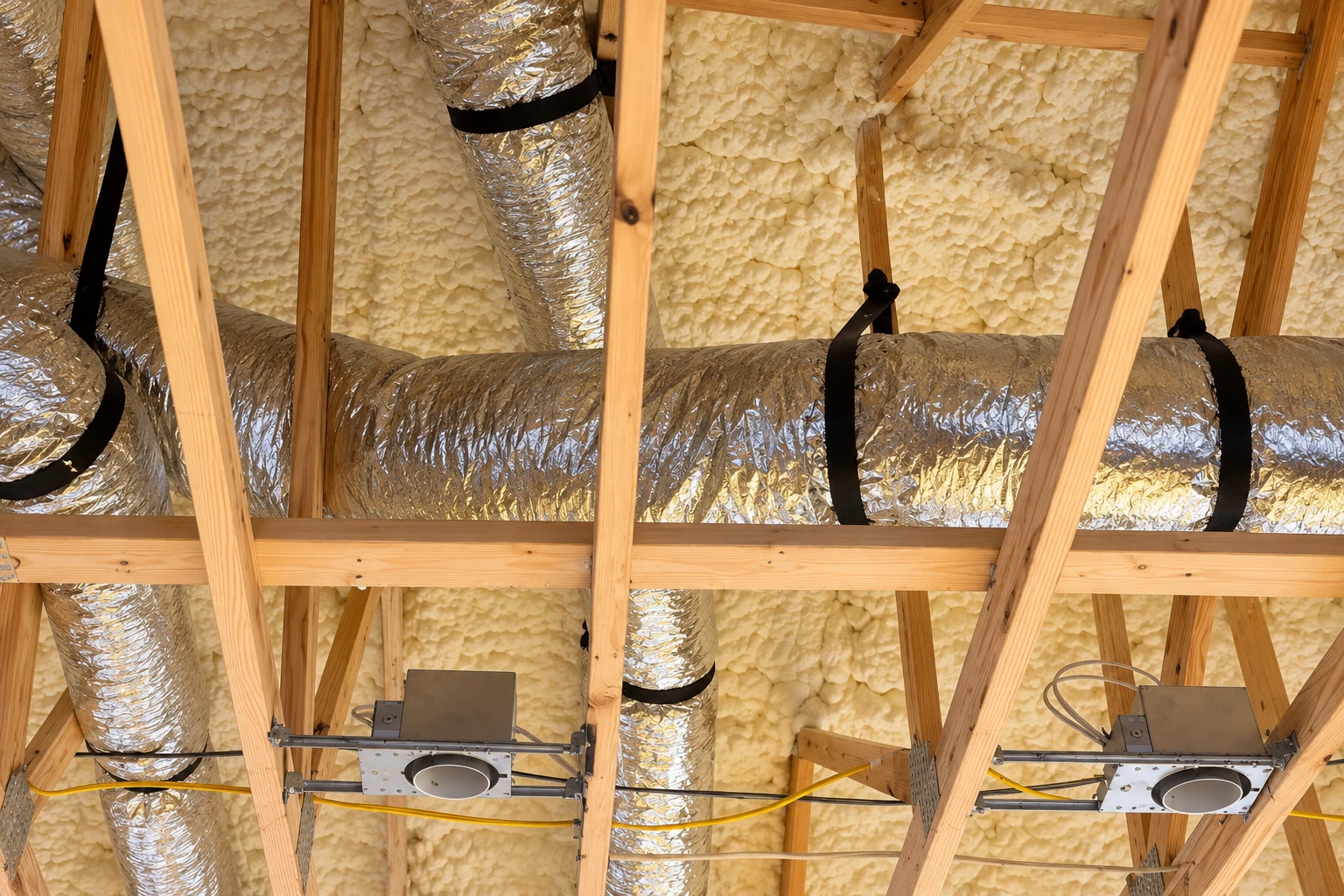
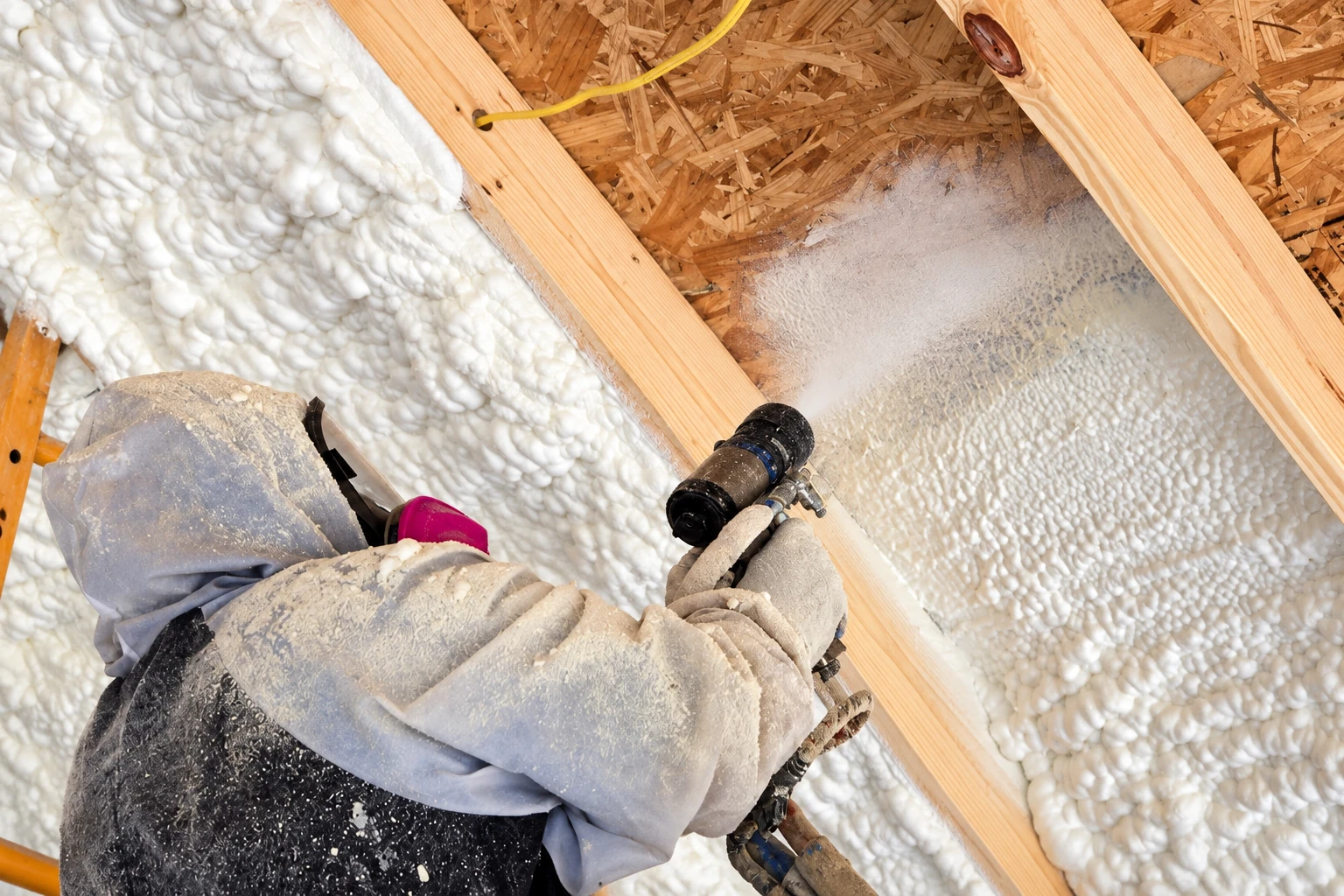
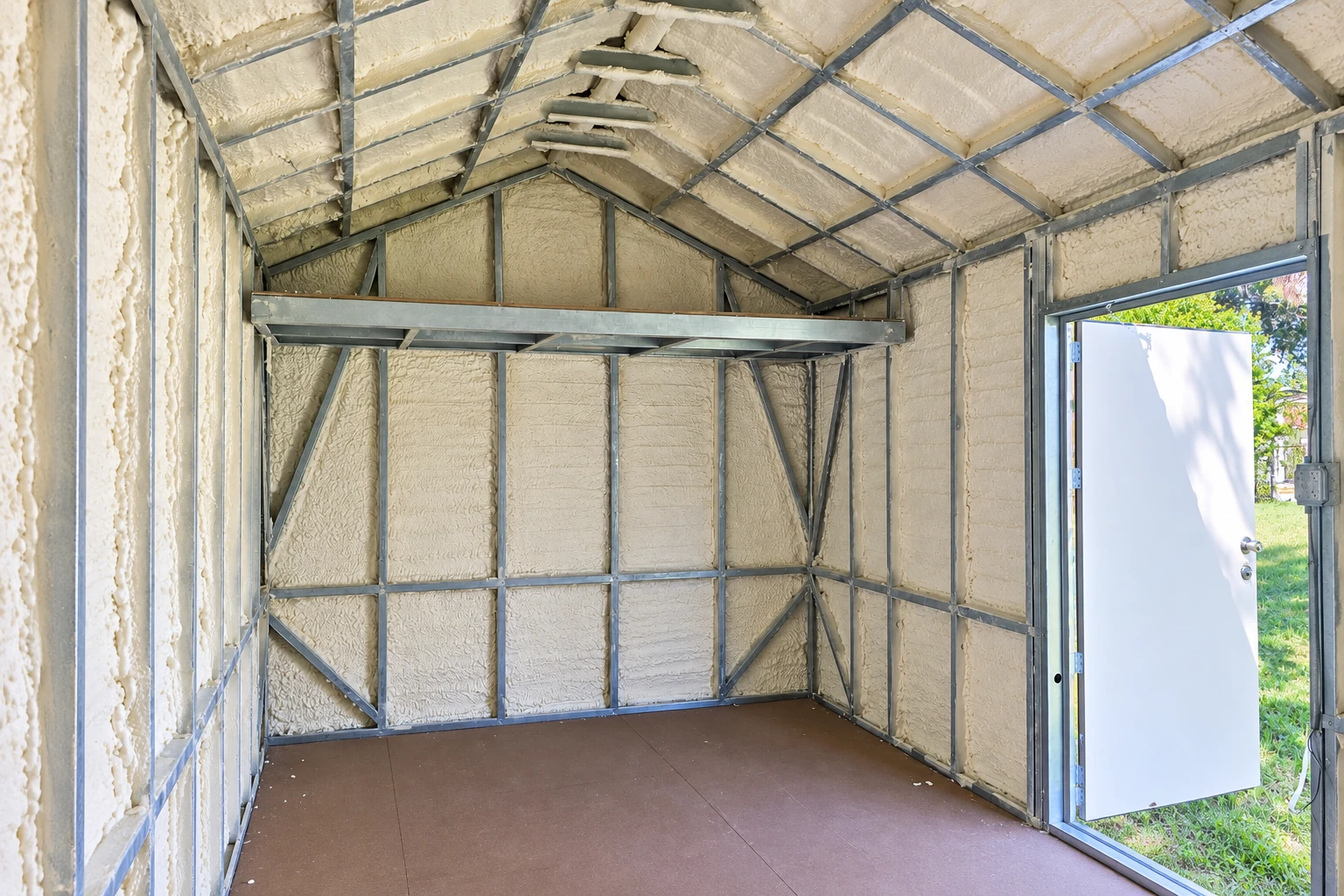
Sealing is usually the first half of a bigger comfort job. Where ductwork runs through the attic, closed-cell foam insulation, a dense foam that also blocks moisture, can seal and insulate in one pass, though it costs more, and in most other attics sealing the gaps and topping up loose fill is the better buy. If the cold is coming up from below, we can pair the sealing with basement insulation so the floor gets handled along with the attic.
What happens after you call us about air sealing in Atwater?
From your first call to the final walk-through, you deal with me, and I'm up in the attic with our crew on the install.
Call or send a request
Tell us which rooms feel drafty and whether you have gas appliances. We'll set up a visit, and a recent power bill helps.
Look it over and price it
I go through the attic and crawl space with you, show you photos of the leaks I found and go over a written estimate.
Prep, protect and seal
Our crew covers floors and belongings along the path to the hatch, then seals the gaps, and I work right alongside them.
Walk through it together
When we're done, I walk you through what we sealed and which vents we left open on purpose.
Why Atwater homeowners call Atwater Spray Foam Insulation
The owner looks at your house
I'm the one who comes out, and I work beside our crew on the install, so nothing gets lost along the way.
Learned it crawling through attics
I was a helper crawling attics for years before opening in Atwater in 2023, so I know where leaks hide.
Licensed and insured for your job
We're licensed and insured, which matters when someone is working around your wiring, ducts and gas flues.
Nothing bigger than you need
I explain your house before we touch anything, so you aren't pushed into a bigger job than you need.
Get a free on-site air sealing estimate
Send your address, the rooms that bother you and a good time to reach you, and we'll reply within one business day to set up my visit. The estimate is free, done at your house, with no obligation.
Air sealing and attic work
Look through these examples of air sealing and attic work to get a feel for what the job involves before we talk about your house.
Air sealing questions we hear
Here are questions Atwater homeowners ask a lot before sealing their attic. If yours isn't here, call or send the form and I'll answer it for your own house.
How much does air sealing cost in Atwater, CA?
Air sealing costs depend mostly on how many gaps your house has and how hard they are to reach, so there's no honest price until someone looks. A low attic packed with old insulation takes more work than an open one, and repairs that have to come first add to the job. I'll show you photos of what I found and go over a written price before you decide.
Can I seal air leaks in my house myself?
Yes, you can usually seal the obvious leaks yourself, like gaps around door frames, ducts and fans, with caulk and weather-stripping. That simple approach won't catch the small, hard-to-find leaks, especially in an attic buried under layers of insulation. Those are the ones worth having a professional track down.
How do I find air leaks hidden in my attic?
Small leaks under layers of insulation usually take a professional, because you can't see them from the hatch. Pros study how the house uses energy and use tools like a blower door test, a big fan that pulls air through the leaks, and an infrared camera that shows where air is moving. When you're comparing contractors, ask whether those tests are part of the job.
What is the best way to seal an attic, before or after adding insulation?
Seal first, then add insulation, which is the order the national guidance for attic projects recommends. Once new insulation covers a gap it's hard to reach, and the insulation ends up fighting the draft instead of slowing heat. If your attic needs both, we plan them as one job in that order.
Is air sealing safe if I have a gas furnace or water heater?
Usually, yes, when the gas furnace or water heater gets tested before and after the sealing. A tighter house can sometimes make a naturally venting appliance push combustion gases back inside, and the usual advice is to have a home performance contractor do that testing. We'll talk it through on my visit so it's part of the plan.
Does an air sealing contractor in California need a license?
Yes, California has an insulation and acoustical contractor license for people who install insulating materials for temperature or sound control. Someone without a license can only take a job under $1,000, and only when the work needs no permit and they have no one working for them. Ask which license a contractor holds before they start.
Book an air sealing visit for your house
We pick up evenings and weekends too, so call (209) 203-1623 or send the form whenever it suits you.