
Closed-cell foam insulation in City of Atwater CA - a tight, dry shell under your roof
Hot upstairs, drafty room over the garage or a power bill that keeps climbing? Closed-cell foam seals and insulates in one rigid layer.
- Roof checked first We look for leaks and wear before any foam goes up.
- Photos of your attic I show you pictures of what I found before you see a price.
- Owner on the install I come out to your house and work alongside our crew.
- Prep before insulation Gaps and old problems get fixed first so nothing hides under foam.
- Licensed and insured.
- Free quotes on site.
- We respond within 1 business day.
How do you know your house could use closed-cell foam?
These are the things homeowners tell me about when they call, and catching them early usually means a smaller fix before moisture or heat does more damage.
Upstairs rooms that stay hot
The bedrooms under the roof bake by afternoon and the AC never quite catches up. Usually heat is pouring through the attic, and the bill climbs every summer you wait.
A drafty room over the garage
You feel air moving in that room, cold in winter and hot in summer. It usually means gaps in the framing, and insulation alone won't stop air slipping through.
Power bills that keep climbing
Your bill keeps rising though nothing changed in how you live. Often the house is leaking the air you paid to heat or cool, and that adds up every month.
Ducts running through a hot attic
Your AC ducts sit in an attic that bakes all summer, so cool air warms before reaching the rooms. That's where foam under the roof usually earns its keep.
A musty smell or damp framing
You smell something musty or see dark spots on the attic wood. Moisture is getting in or getting trapped, and left alone it can rot framing or grow mold.
Old insulation that's flat or dirty
The insulation up there is packed down, water-stained or full of droppings. It's stopped working, and nothing new should go over it until it comes out.
How we install closed-cell foam insulation in Atwater
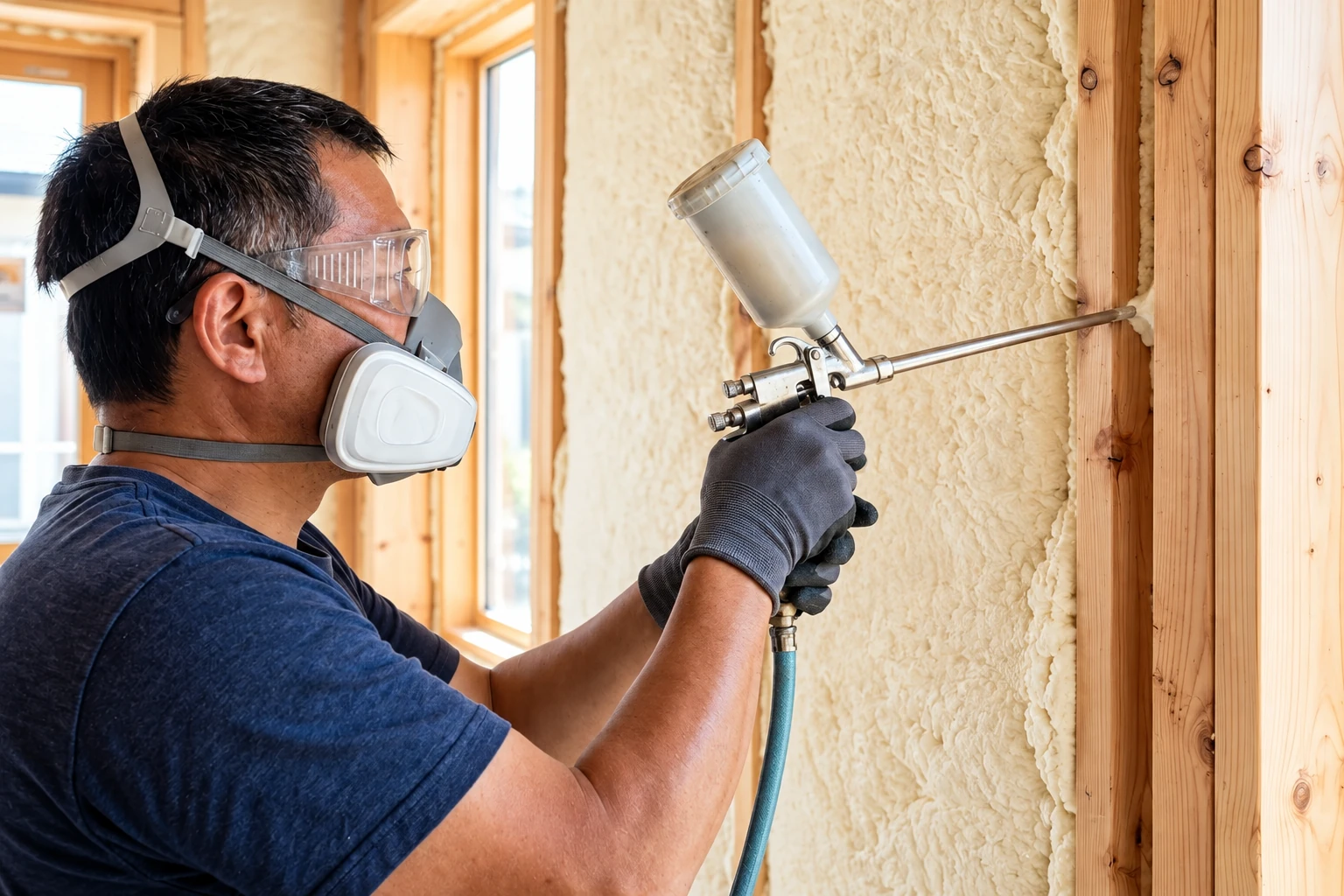
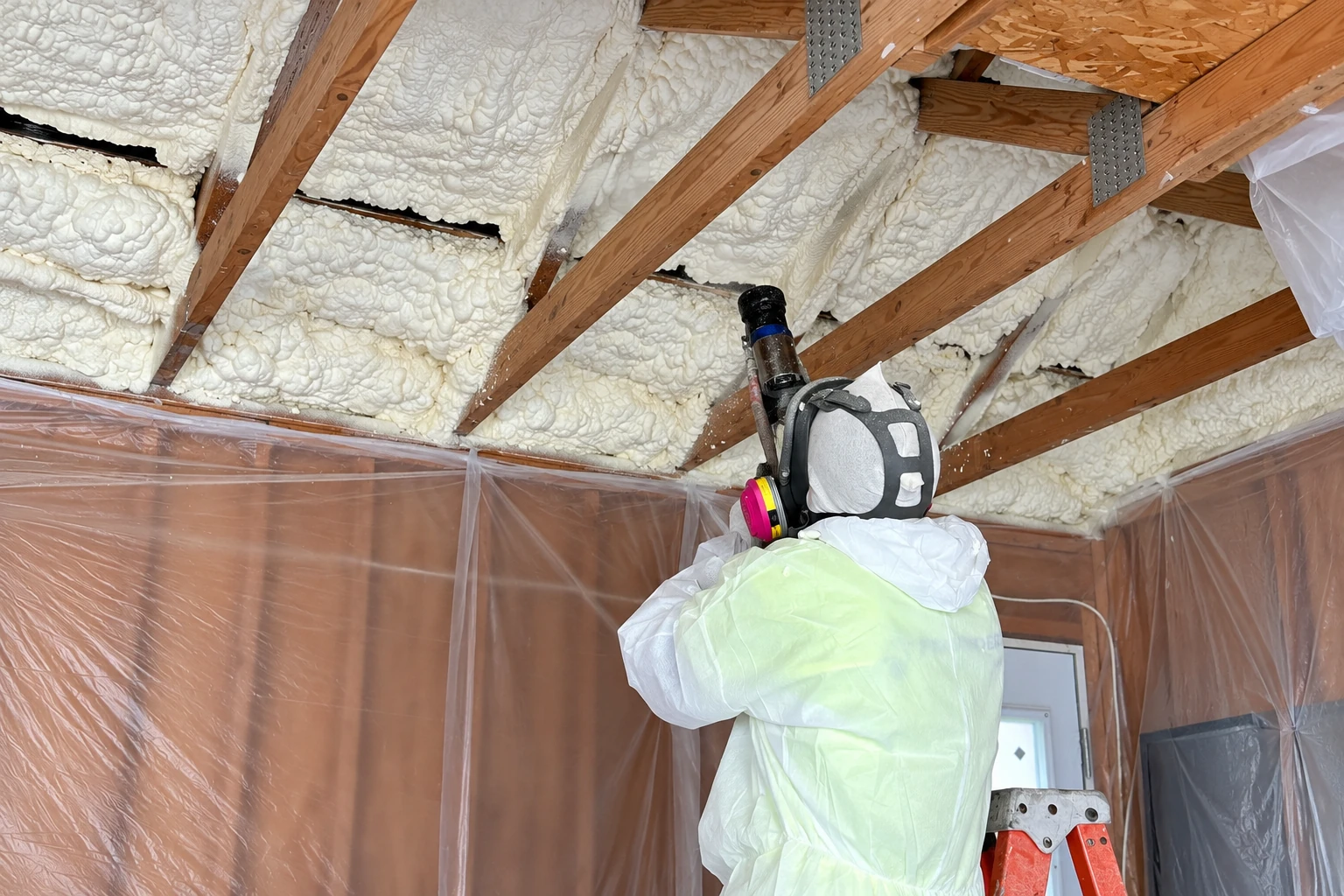
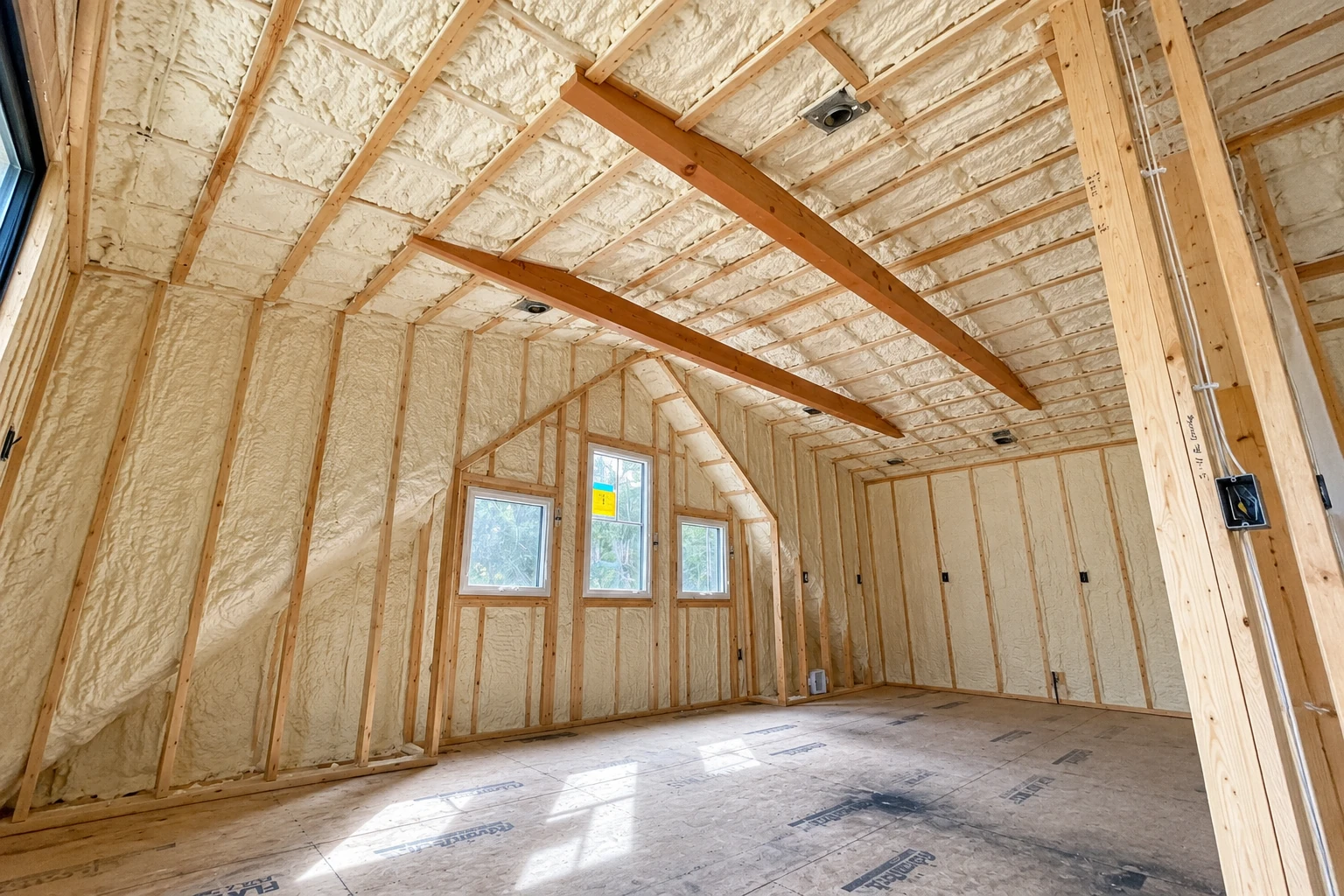
Closed-cell foam insulation is sprayed on wet and sets into a dense, rigid layer that slows heat and blocks moisture, and on houses around the City of Atwater it often goes right under the roof, so I check the roof for leaks and wear before anything else. If yours is getting near the end of its life, I'll say so before we spray, because foam can't do its job under a roof that's letting water in. Once you give the go-ahead, our crew pulls out old insulation that's soaked or packed flat, seals the gaps around pipes, lights and the attic hatch, protects the rest of your house and sprays the foam evenly, right out to the edges where it's easiest to skimp. When foam under the roof turns a vented attic into a sealed one, that attic still needs a way to get rid of moisture, so we sort that out before we spray. The price mostly comes down to how much area you want covered, whether old material or the roof needs work first, and whether the foam needs a fire-protective coating or drywall over it, which depends on the product, while the schedule turns on the roof and on planning your family's time out of the house. You'll see your own number on the written estimate after I've looked at the space.
Closed-cell isn't the only foam we spray, and open-cell foam insulation is the softer, lighter option that can fit better where moisture isn't the worry, so I'll lay out both when I see your house. When old batts or loose fill have to come out first, that's our insulation removal work. Landlords and small business owners also call us for commercial insulation on shops, offices and rentals.
What happens after you call us about closed-cell foam?
From your first call to the final walk-through, you'll deal with me, see what I found and know what's happening before we spray.
Call or send a request
Call (209) 203-1623 or use the form, and I'll come out to look over the attic, walls or crawl space with you.
Go over photos and a price
I show you photos of what I found, roof included, then go over a written estimate so you know exactly what's being sprayed and why.
Prep, protect and spray
Our crew preps and protects the house, I work right alongside them, and your family and pets stay out for the time away we plan together.
Walk through the finished job
When it's done, I walk through it with you, point out the sealed gaps and the edges, and answer anything you're still wondering about.
Why Atwater homeowners call Atwater Spray Foam Insulation
I'm the one who comes out
I look over your house and work alongside our crew on the install, so what we talked about is what gets done.
Learned it crawling through attics
I hauled bags on a small crew before opening our own business here in 2023, so I know where prep gets skipped.
Licensed and insured for your job
We're licensed and insured, and I'm happy to show you the paperwork when I come out to look at the house.
Planned for Atwater's earthquake risk
The city lists Atwater in Seismic Design Category D, so we weigh wall stiffness as well as heat when we plan.
Get a closed-cell foam estimate for your house
Tell us your roof's age, any leaks you've had and which rooms or areas you want insulated. We'll reply within one business day to set up a visit, and the written estimate I go over is free, no obligation.
Closed-cell foam, up close
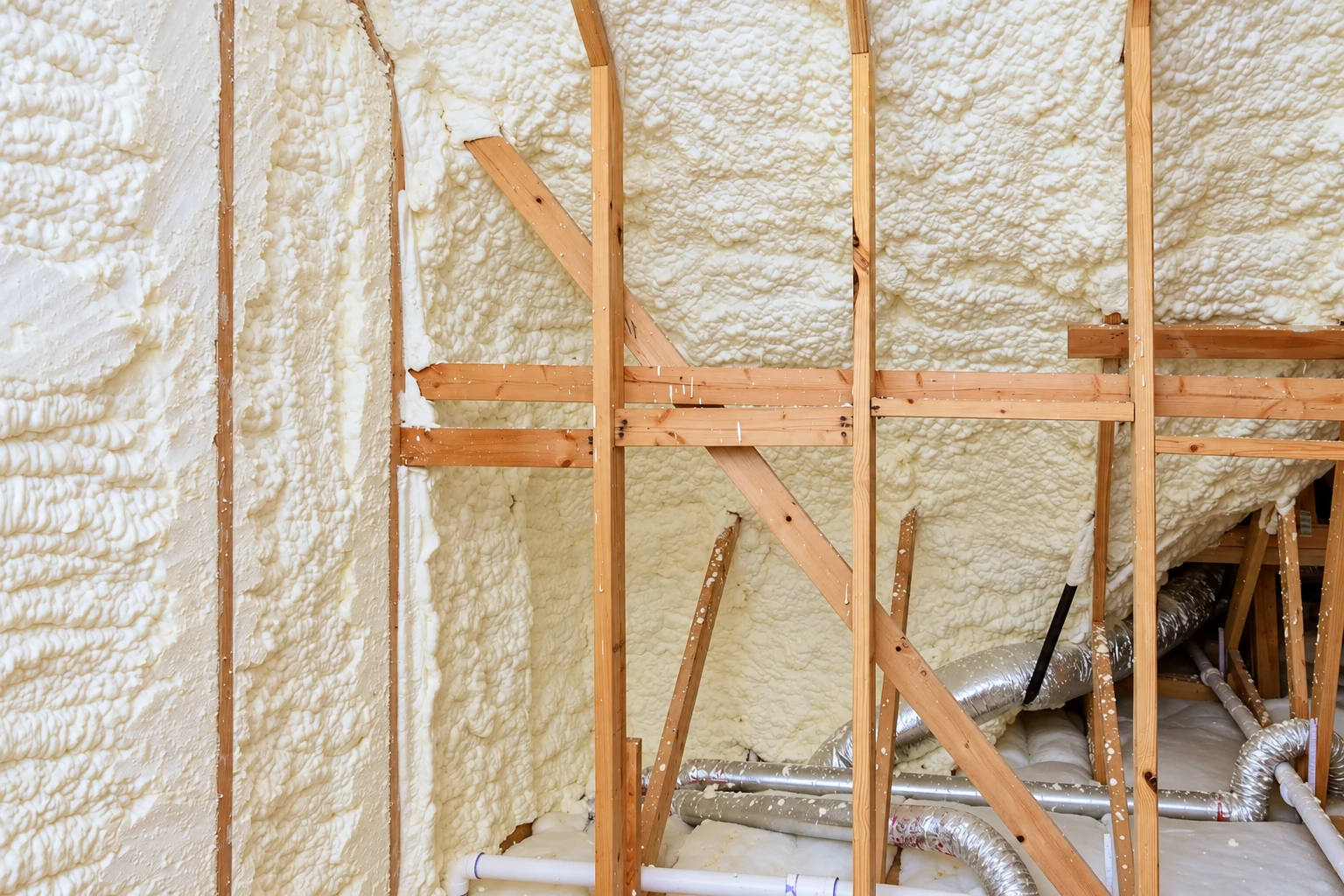
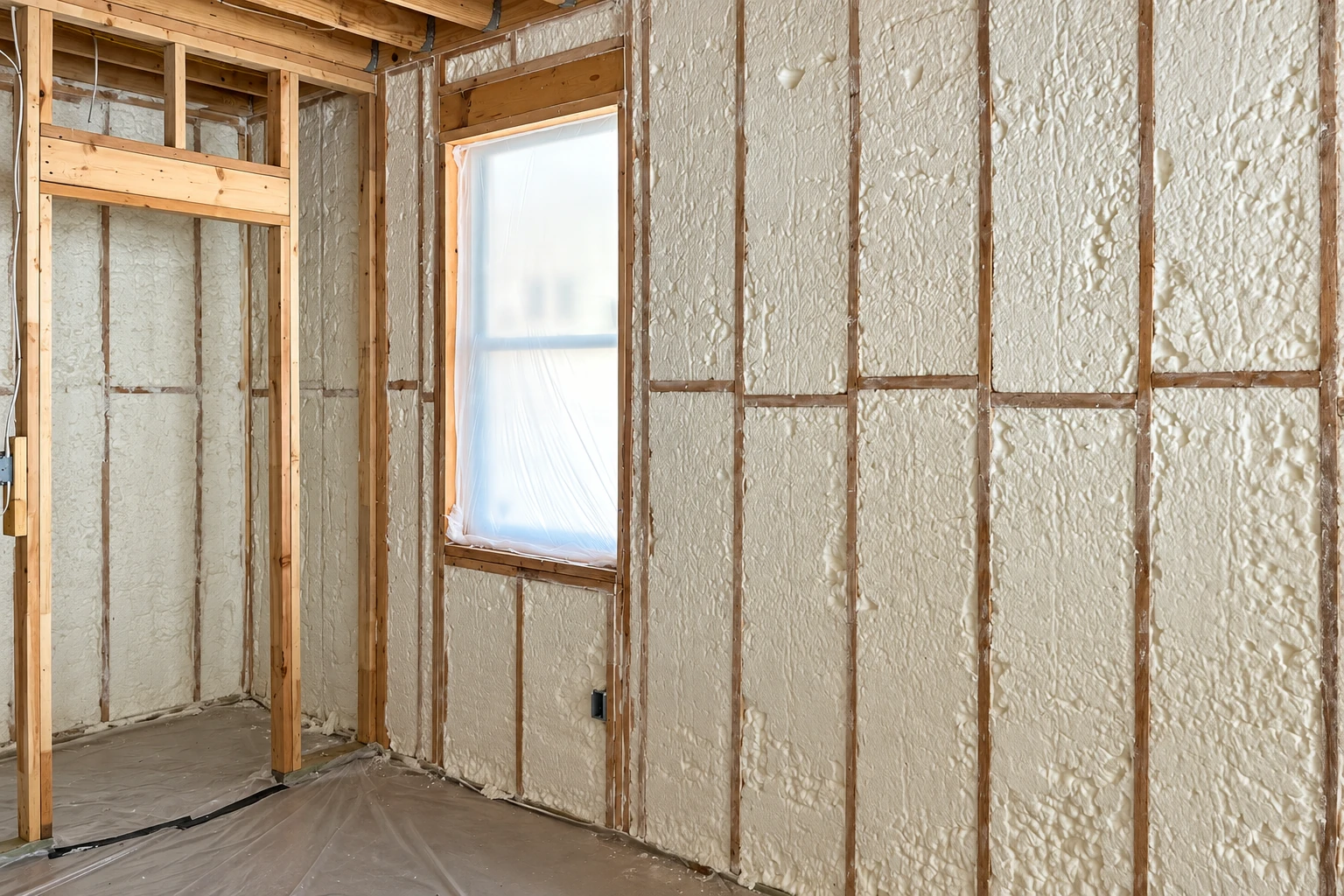
Take a look through these examples of closed-cell foam sprayed under roof decks and into wall framing to see what the finished layer looks like.
Closed-cell foam questions we hear
These are the questions I get most about closed-cell foam around Atwater. If yours isn't here, call or send a note about your house and I'll answer it.
How much does closed-cell foam insulation cost in Atwater?
The cost depends on how much area you're covering, how thick the foam goes and what has to happen first, so the real number comes from a look at your house. Foam costs more than other insulation because it seals air while it insulates, and if your ducts aren't in the attic, sealing the gaps and topping up blown-in insulation, loose fill blown through a hose, usually gets you more for the money. I'll tell you which one fits once I've been up in your attic.
How long does my family need to stay out of the house after spray foam?
Plan to be out while the foam goes in and for at least 24 hours afterward, because that's what the Consumer Product Safety Commission's guidance tells homeowners. That wait is called re-entry time, and it covers kids and pets too, so line up a place to stay. We'll go over the safety steps with you before spray day.
Does closed-cell spray foam make walls stronger?
Yes, closed-cell foam sprayed into the wall framing substantially increases the walls' racking strength, their resistance to being pushed sideways. That added stiffness is a good reason to weigh it for walls in earthquake country like ours, especially if you're opening walls anyway.
What is the best way to choose between closed-cell and open-cell foam?
Pick closed-cell where you want a hard, dense layer that also keeps moisture out, and open-cell where a softer, lighter foam will do the job. Typical closed-cell foam gives about R-6 per inch, and R-value is how well insulation slows heat, while at its usual thickness it also works as a vapor retarder, a layer moisture can't really get through. Once either one is in, insulation needs no maintenance.
What kind of contractor installs insulation in California?
An insulation and acoustical contractor, which California's Contractors State License Board defines as one who installs any insulating material to control temperature or sound. Spray foam falls under that, so it's fair to ask whoever bids your job about their license.
What is the best weather for spraying foam insulation in Atwater?
The best day is one when the temperature and humidity suit the foam, because both play a big part in how spray foam cures. The EPA suggests asking your contractor and the product's maker about the right time of year and conditions where you live, and we'll talk it through with you when we set the date.
Find out if closed-cell foam fits your house
We answer the phone seven days a week, early mornings to late evenings, so call (209) 203-1623 whenever you've got a minute.