
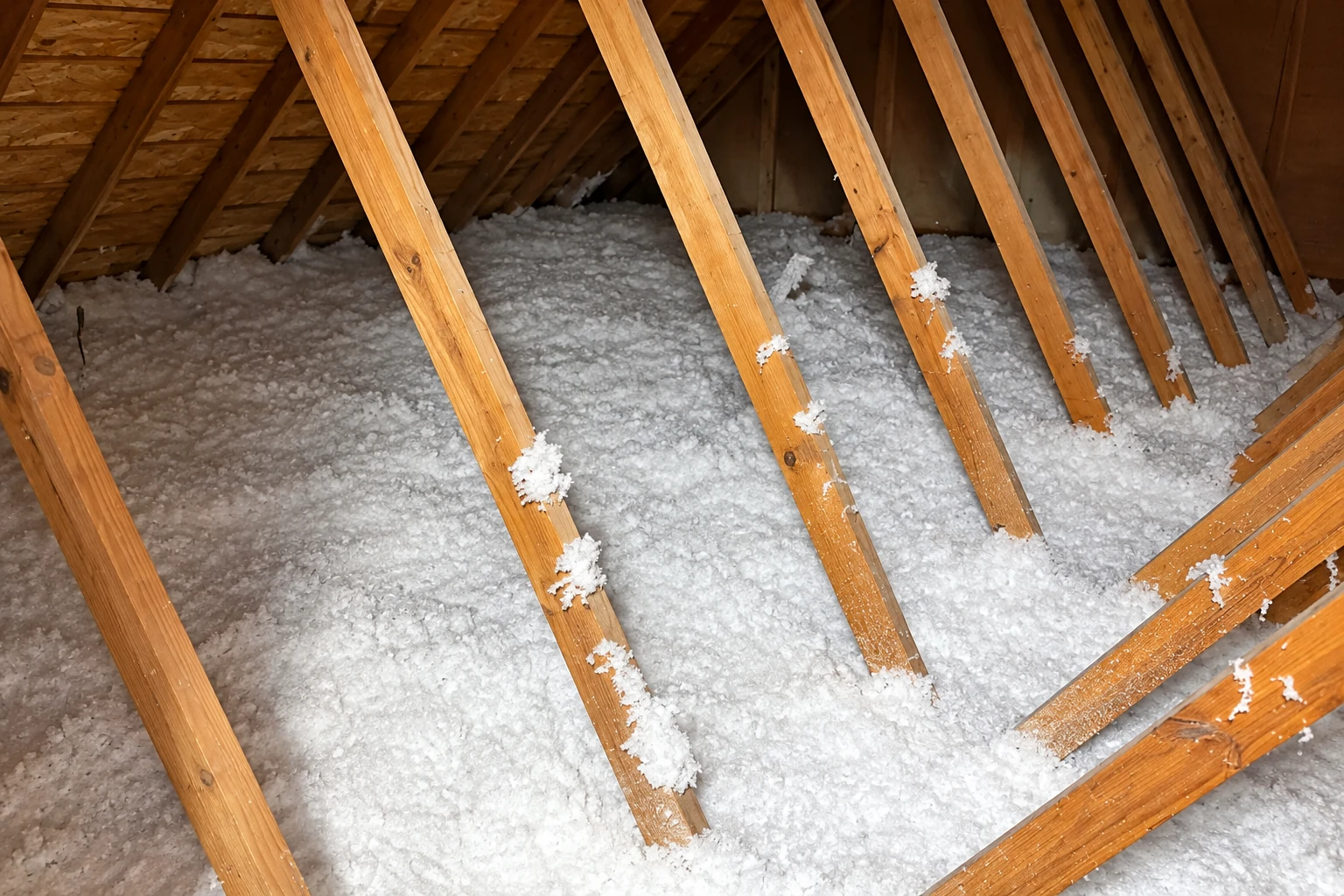
Blown-in insulation in City of Atwater CA - an even layer right out to the edges
Upstairs hot by afternoon and the power bill climbing? We seal the attic gaps, then blow in an even layer that holds back attic heat.
- Gaps sealed first We close the leaks in your attic floor before anything's blown in.
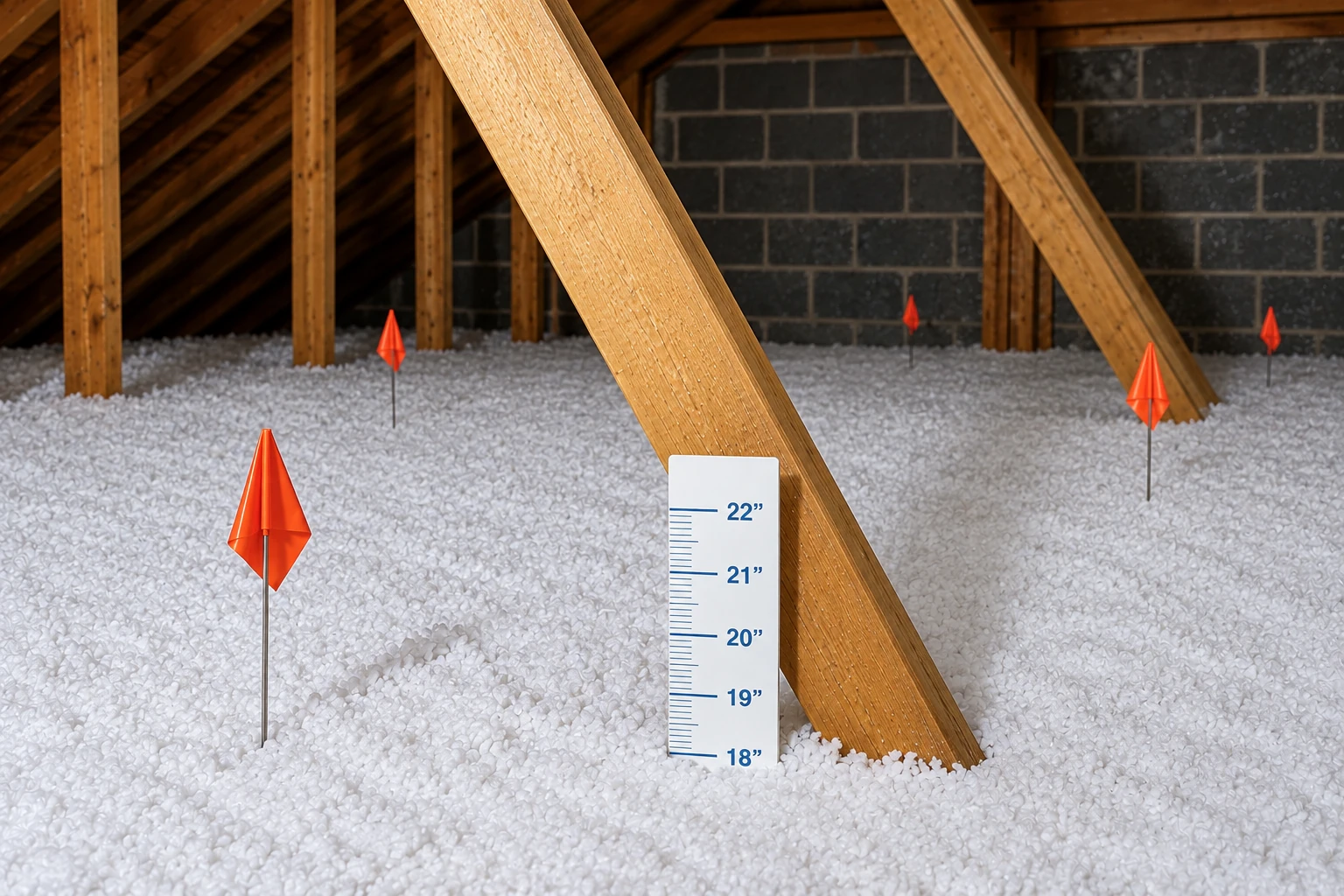
- Even to the edges Level coverage reaching out over the top of your outside walls.
- Eave vents kept open Baffles hold insulation back so your attic keeps breathing.
- Photos of your attic You see what I found up there before deciding anything.
- Licensed and insured.
- Free quotes on site.
- We respond within 1 business day.
How do you know your attic needs blown-in insulation?
Most of these creep up slowly, and catching them early usually means a simple top-up rather than pulling out ruined material first.
Upstairs is hot all summer
Bedrooms upstairs stay warm into the night even with the AC running hard. That usually means the attic layer is thin, and every summer you wait costs more on cooling.
You can see the joists
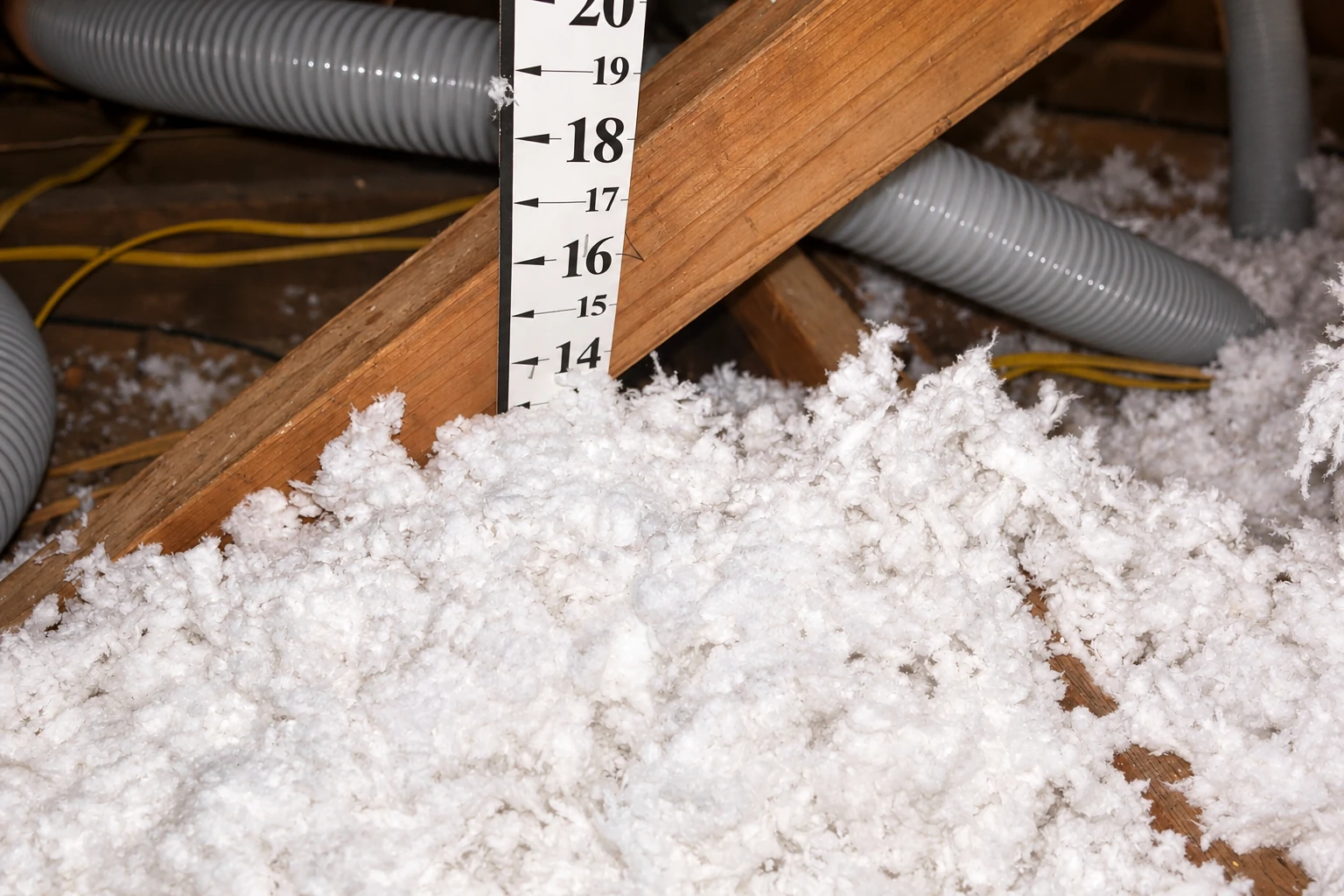
Look through the hatch and the tops of the ceiling joists show through. The insulation has settled or was never deep enough, and heat walks right past it.
Thin spots near the eaves
It's deep in the middle and thin out by the edges, which is backward. Those bare strips over the outside walls leak heat all day.
The power bill keeps climbing
The bill creeps up each summer while the house feels no cooler. A tired attic is one of the first places I look, since topping it up is usually simple.
The room over the garage
It stays hot in summer and chilly in winter. Its ceiling often gets the thinnest coverage, and putting it off means another season of not using that room.
Stained or dirty old insulation
Water stains, droppings or a musty smell up there usually mean the old material has to come out first. Blowing fresh insulation on top just buries the problem.
How we handle blown-in insulation in your Atwater attic
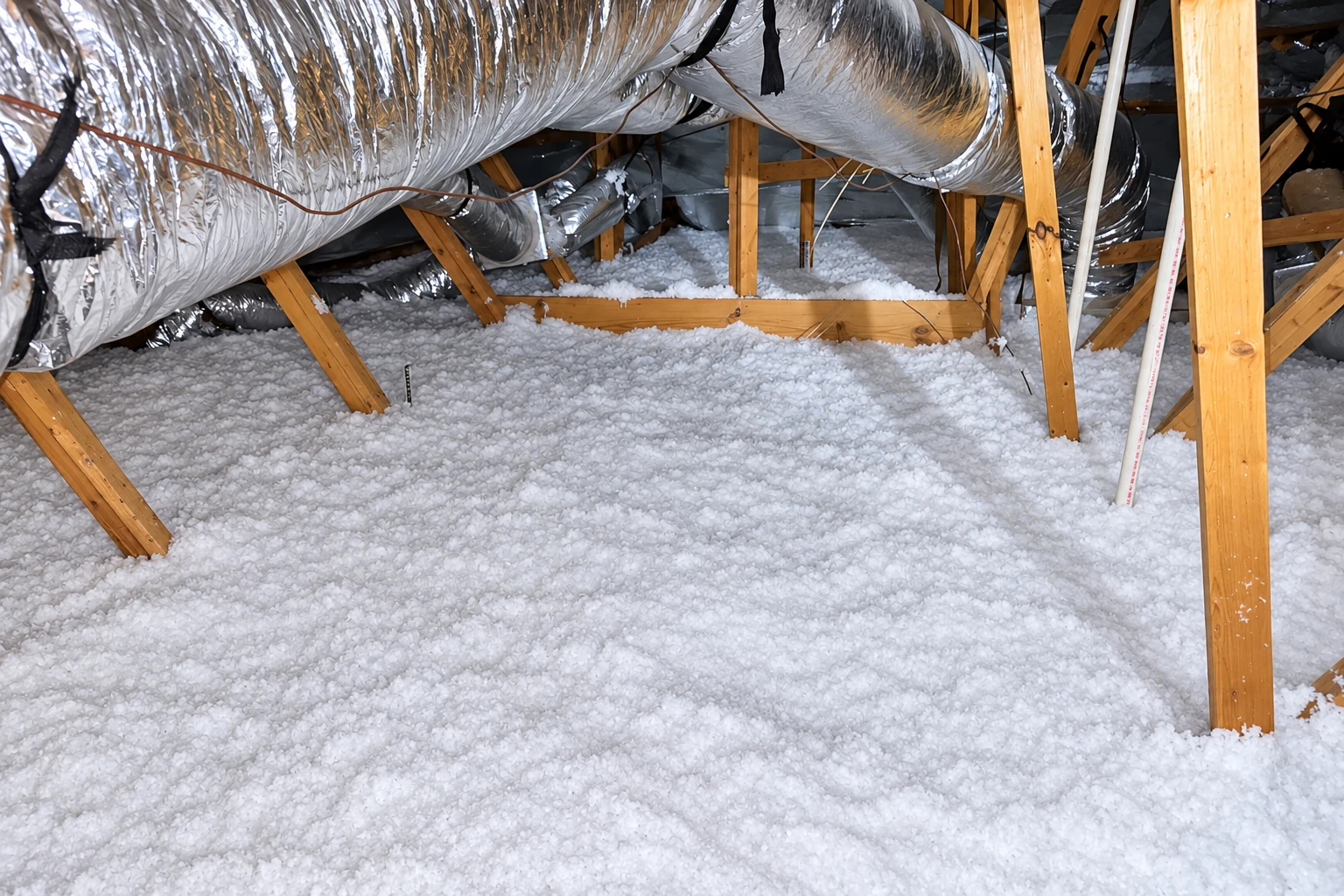
Blown-in insulation is loose fill, usually fiberglass, rock wool or cellulose, blown through a hose across the attic floor, and for most City of Atwater houses with a vented attic it's the simplest way to slow the heat coming through the ceiling. Before any goes in, our crew seals the gaps around pipes, wires, the hatch and the top of the wall framing, because insulation laid over a draft just has air running through it. We put metal flashing around flues, chimneys and exhaust fans to keep the material back, and we check every recessed light, since only ones rated for insulation contact, called IC-rated, can be covered. Baffles go in at the eaves so the insulation stays put and the vents keep moving air. Then we blow it in at an even depth right out to the edges over the outside walls, which matters because back when I was a helper, the thin spot was almost always out by the eaves. The finished depth should meet or exceed what current building code calls for.
If what's up there now is soaked, flattened or full of droppings, we pull it out first with insulation removal, and on any job we move old material aside where it's in the way of the spots we need to seal. When the drafts or hot rooms go past the attic, into the walls or the crawl space, I'll look at your home insulation as a whole so we fix the right thing first. The price mostly moves with the size of your attic, how much is up there now, how much sealing it needs and whether anything has to come out, and the schedule turns on that same prep, so the written estimate after my visit spells out your job.
What happens after you call us about blown-in insulation?
From your first call to the walk-through at the end, you'll know who's coming, what we found and what we're doing in your attic.
Call or send a request
Tell us how the house feels to live in, which rooms run hot and how old it is, and we'll set up a visit.
Look at photos and the estimate
I look over the attic with you, show you photos of what I found, then go over a written estimate covering sealing, depth and any removal.
Prep, seal and blow it in
Once you say go, our crew protects your floors and the path to the hatch, then does the sealing and prep before blowing anything in.
Walk through it together
When we're done, I walk through it with you so you can see the even layer reaching out over the outside walls.
Why Atwater homeowners call Atwater Spray Foam Insulation
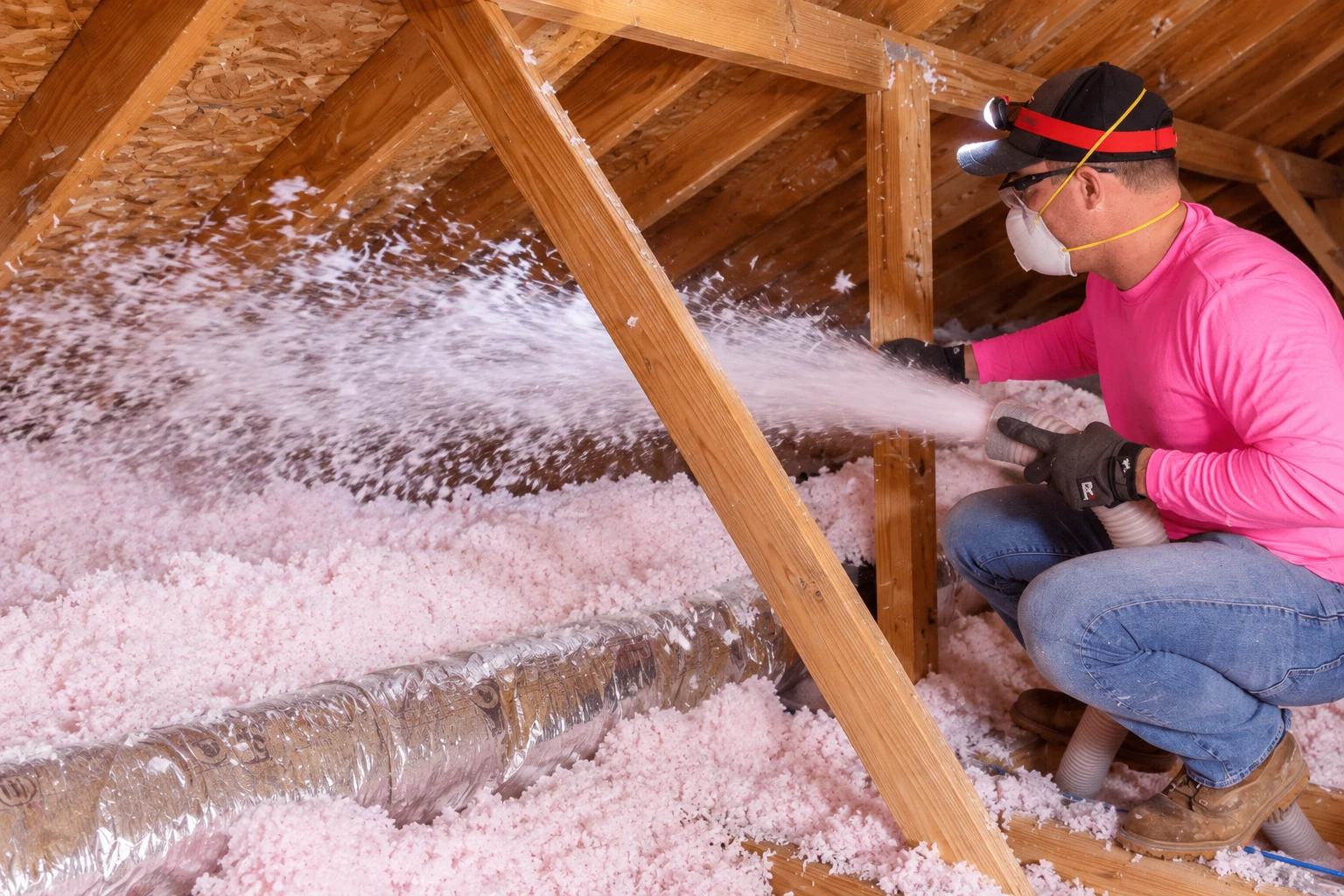
I come out to see your attic
I'm the one who looks at your job and works alongside our crew on the install, so nothing gets lost in between.
Atwater business since 2023
I started as a helper hauling bags through attics and crawl spaces, then opened our business here in 2023.
Licensed and insured, every job
We're licensed and insured, so you aren't carrying the risk of someone working above your ceilings.
No bigger job than you need
I'd rather you understand your own attic than feel pushed. Call (209) 203-1623 and ask me what yours needs.
Get a free on-site estimate for your attic
Tell us your attic's rough square footage, how many recessed lights you have and whether walls are part of it. We reply within one business day to set up my visit, and the estimate is free with no obligation.
Blown-in attic work up close
Look through these examples of blown-in insulation, baffles and attic sealing to get a feel for what a finished attic floor looks like.
Blown-in insulation questions, answered
These are the questions Atwater homeowners ask me most about blown-in insulation. If yours isn't here, call or send a note and I'll answer it for your house.
How much does blown-in insulation cost near Atwater, CA?
A 1,000 sq. ft. blown-in fiberglass job in nearby Merced usually runs about $850 to $4,100 per job. That's what the work generally costs in the area for that size, not our price, and your own figure comes from the written estimate after I've seen your attic.
Is blown-in insulation cheaper than batts in an attic?
Usually, yes. Installation costs vary, but blown loose fill in an attic usually costs less than batts and covers the space more fully. If you're comparing quotes, that's worth keeping in mind.
What is the best way to insulate an attic, spray foam or blown-in?
For most attics, sealing the gaps and topping up with blown-in is the better value. Spray foam costs more and seals air while it insulates, which usually earns its keep when your ductwork runs through the attic. I'll tell you which way your house leans after I've seen it.
What causes blown-in insulation to settle and leave gaps?
Usually it went in too loose. Blown-in has to be installed at enough density, meaning packed firmly enough, that it won't settle into holes and voids over time. Low, sunken patches are one of the first things I notice in an older attic.
Can blown-in insulation go into my existing walls?
Often, yes, with drill and fill, a common and fairly uninvasive way to insulate existing outside walls. Small holes go near the top of each wall cavity, the empty space inside the wall, and the cavity gets filled with blown-in insulation. I'd check your walls on the visit before telling you whether yours are a good fit.
Who can install insulation in California?
In California, insulation work falls under the C-2 Insulation and Acoustical license classification, which covers installing any insulating material for temperature or sound control. The state raised the limit for small unlicensed jobs from $500 to $1,000, but it only applies when the work needs no permit and the person employs no one on the project. You can look up any contractor with the state licensing board.
Where we do blown-in insulation
The city's Building Division issues Atwater permits, and if your job needs one, we handle it and the inspection. Pick your city below, such as Merced or Winton.
Get your attic's blown-in insulation looked at
Our work is backed by our satisfaction guarantee, so call (209) 203-1623 or use the form and we'll set up a visit.