
Basement insulation in City of Atwater CA - warmer floors with the water handled first
Cold floors upstairs, a damp chill down below or a power bill that keeps climbing? We fix the water first, then insulate the walls right.
- Water comes first We deal with any water getting in before the walls get insulated.
- Made for foundation walls We use materials made to sit right against your concrete.
- Explained before we start I'll show you what's going on down there before we touch anything.
- On the job myself I work alongside our crew on the install, start to finish.
- Licensed and insured.
- Free quotes on site.
- We respond within 1 business day.
How do you know your basement needs insulation work?
Basement problems usually start small and quiet, so it pays to catch them before you finish the space or close up a wall that's already hiding water.
Cold floors over the basement
If the floors above your basement stay cold all winter, heat is usually leaking out through bare foundation walls, and your furnace and power bill make up for it.
A musty smell downstairs
That damp, stale smell usually means water is getting in through a crack or a window well. Covering it with insulation just lets it keep spreading out of sight.
White crust or dark stains
A chalky white crust or dark patches on the concrete mean water is moving through the wall. Whatever you put against that wall later will soak it up.
Drafts at the top of the wall
Cold air where the house framing meets the foundation usually means unsealed gaps. Until they're closed, they keep pulling outside air in, and no insulation stops that.
Old batts sagging or moldy
Fiberglass hung on basement walls years ago can sag, darken or smell musty, which usually means it's been holding damp against the concrete. It needs to come out first.
New cracks in the walls
Cracks that are new or getting wider can let water in and may point to a foundation problem. Those need a look before anything gets covered up.
How we handle basement insulation in Atwater
Before anything goes on your walls, I find out how water is getting into the basement and we deal with that first, because insulation over a leak only hides it. Then we put materials made to sit right against a foundation on the concrete, and if the basement isn't heated, we also air-seal and insulate the rim joist, the band of framing that sits on top of the foundation wall, so the floor above has an unbroken barrier against drafts. What moves the price is how much wall you have, how much water work comes first and which material fits your walls, and the schedule mostly turns on whether a leak or crack has to be fixed before we start. I'll walk you through what I saw before you get a written price.
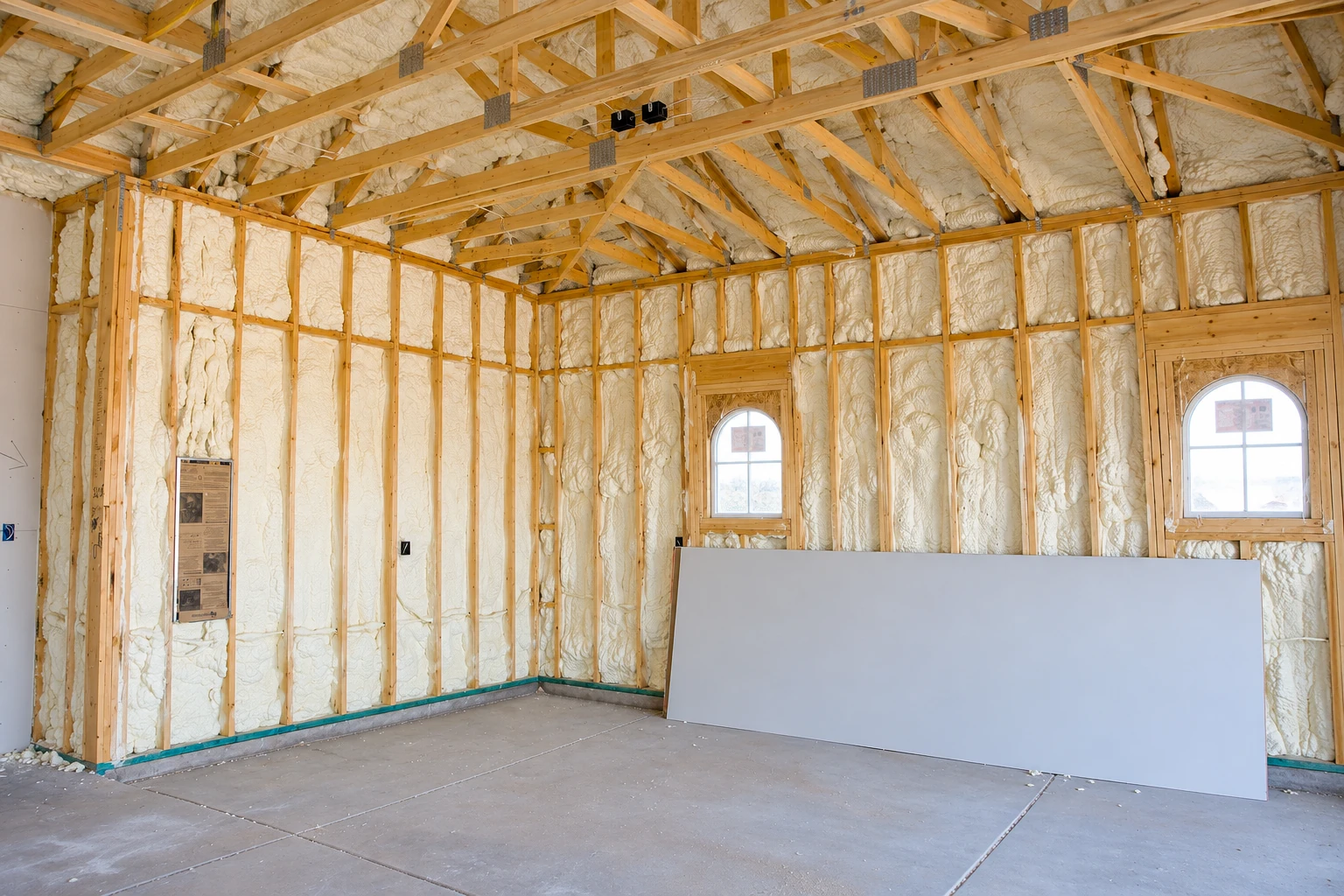
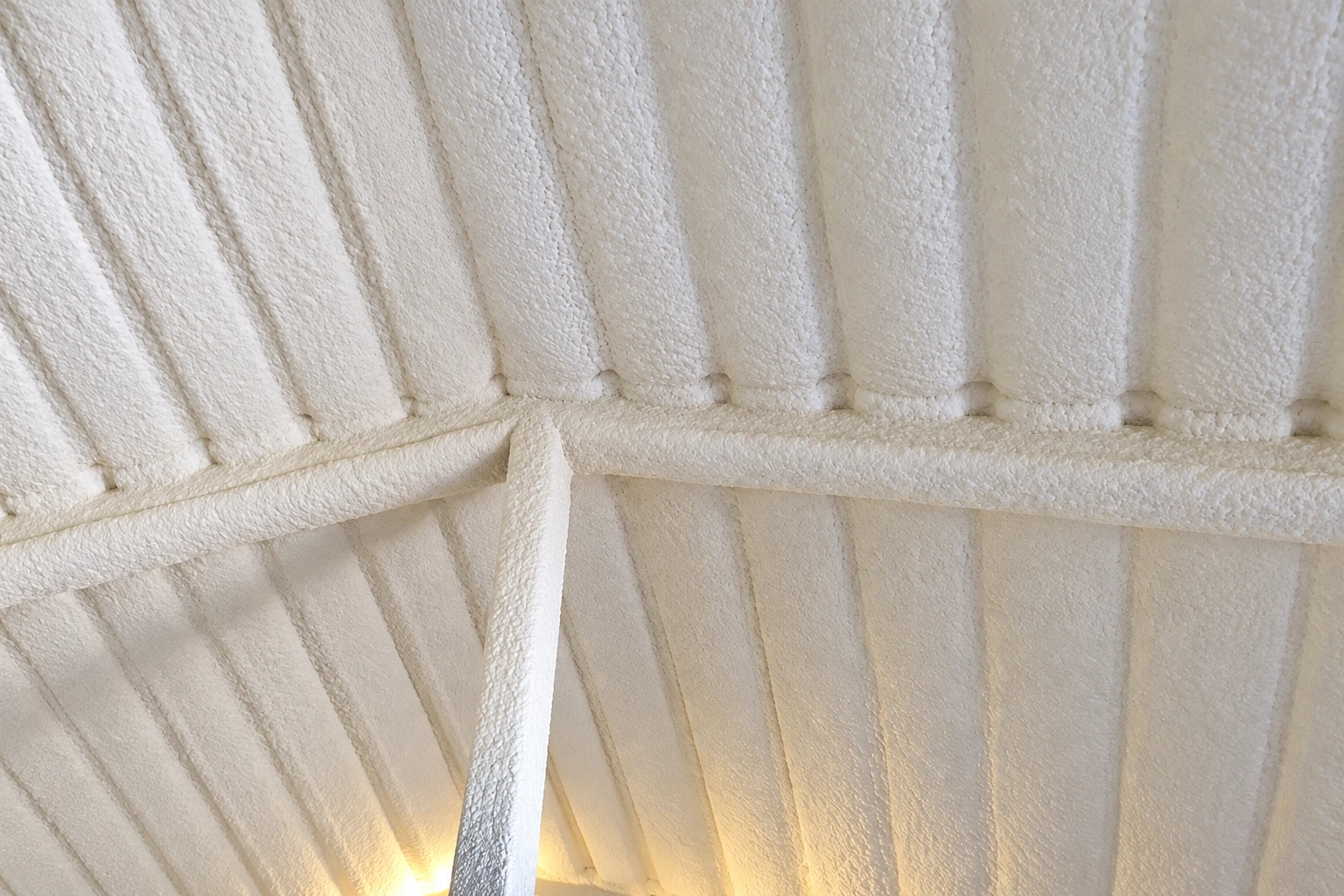
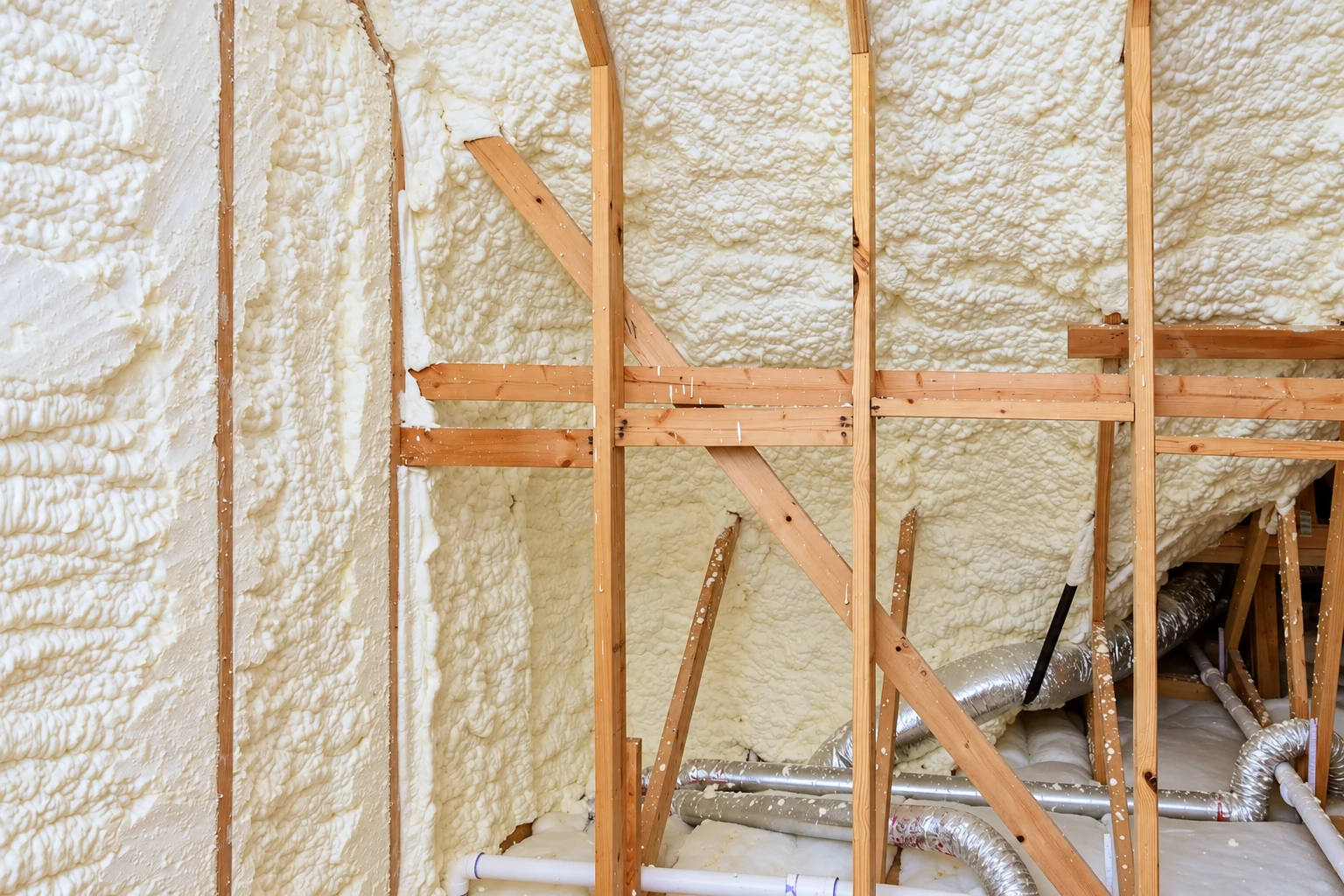
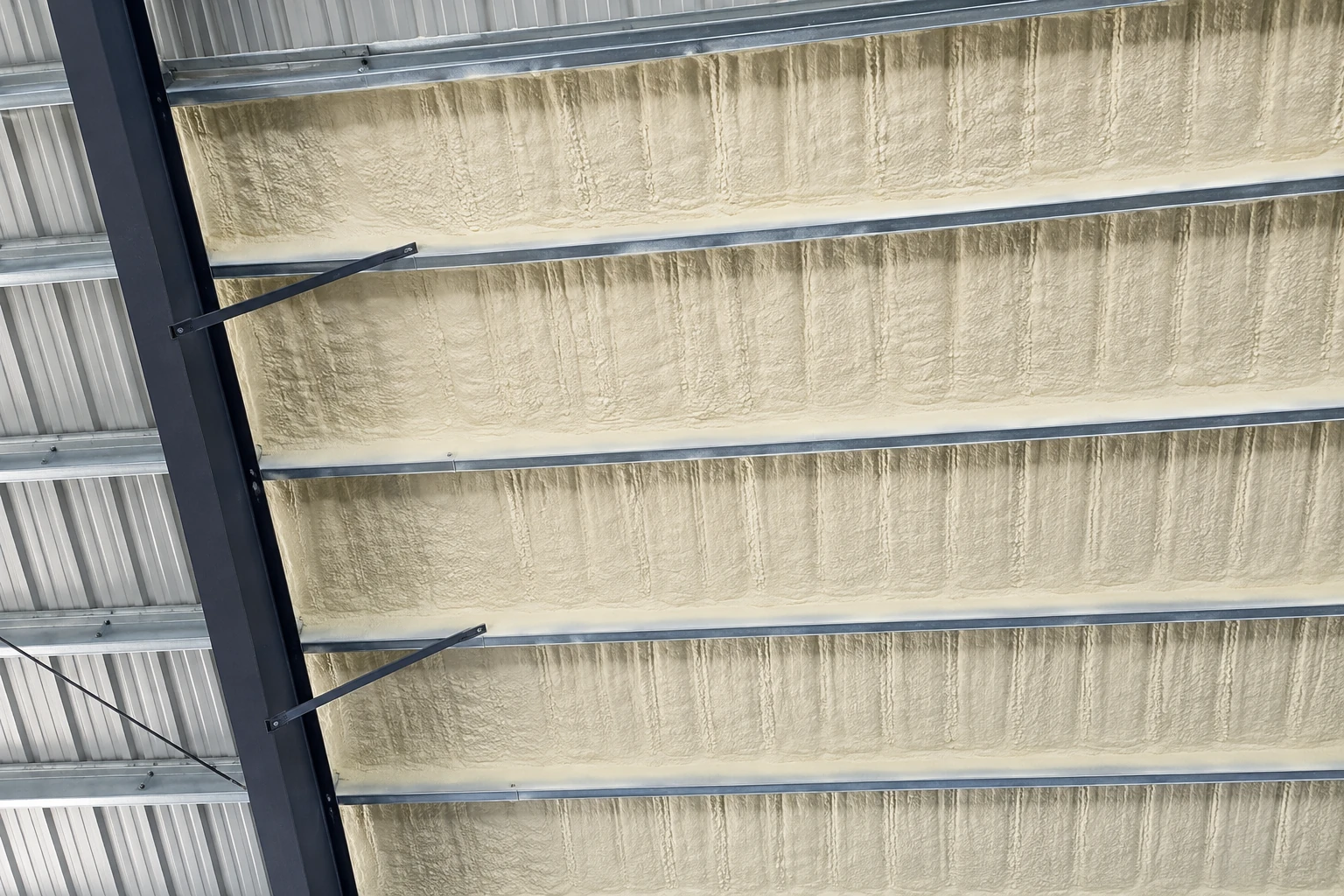
Foam, sprayed or in rigid panels, does most of the work on a foundation wall, and while it costs more than some options, it seals air while it insulates. Closed-cell foam insulation, a dense foam that also blocks moisture, suits the concrete itself, while open-cell foam insulation is lighter and better for framed walls or the ceiling under your living room, where it also quiets noise. Spray foam on basement walls has to be covered with ignition-barrier paint, a fire-resistant coating, or drywall, so we count that covering as part of the job from the start.
What happens after you call us about your basement?
From the first call to the final walk-through, I'm part of every step, and you'll know what we found before you commit to anything.
Call or send a request
Tell us what's going on with the basement, and we'll get back to you to set up a visit at your house.
Look it over together
I come out, go through the basement with you and show you photos of the walls and any signs of water I found.
Go over the written estimate
I explain what I saw first, then go over the written price, so you know exactly what the job covers before you say go.
Prep, install and walk-through
Once you say go, our crew preps and protects your house and does the work. Then I walk through the finished basement with you.
Why Atwater homeowners call Atwater Spray Foam Insulation
The person who looks, installs
I'm the one who comes out to see your basement, and I work alongside our crew on the install.
Learned it crawling under houses
I started as a helper hauling bags on a small crew, so the prep nobody sees still gets my attention.
Licensed and insured in California
We're licensed and insured, which is the first thing worth checking before anyone works on your foundation walls.
Based right here in Atwater
We work across the cities around Atwater, from Winton to Chowchilla. Call (209) 203-1623 to set up a visit.
Get a free on-site estimate for your basement
Tell us your basement's size, any signs of water or foundation trouble, and any gas or oil appliances down there. We'll reply within one business day to set up a free on-site visit, with no obligation.
Basement insulation examples
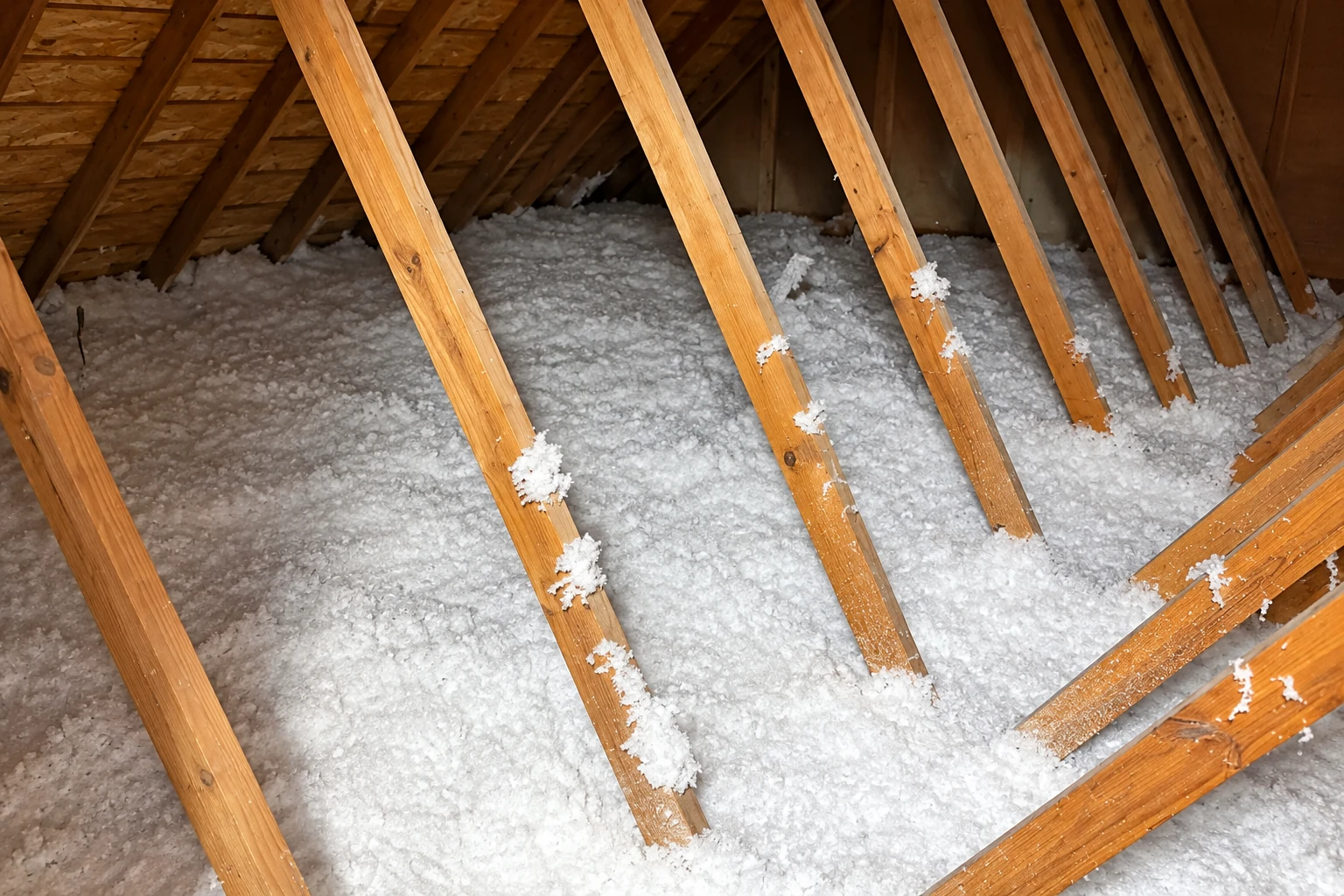
Look through these examples of basement insulation to get a feel for foam on foundation walls, sealed rim joists and finished basement spaces.
Basement insulation questions we hear
These are the questions Atwater homeowners ask most about insulating a basement. If yours isn't here, call or send a request and I'll talk it through for your own house.
How much does basement insulation cost in Atwater, CA?
Across the US, basement insulation usually costs about $4.40 to $6.40 per square foot, and that's the general market figure, not our price. Where your job lands depends mostly on the wall area, any water work that has to come first and the material your walls need. You'll get your own number in the written estimate after I've seen the space.
What is the best insulation to put directly against a basement foundation wall?
Rigid foam can go right on a foundation wall, while building guidance says fiberglass batts and cellulose should be kept from touching it. To control moisture, foam panels have to stick to the wall completely with every edge and seam sealed, so ask any installer how they do that, and I'll show you how we do it. What goes over the insulation matters too, because plastic sheeting, vinyl or foil wallpaper and epoxy, oil or alkyd paint trap moisture inside basement walls.
How do I deal with a damp basement or foundation cracks before insulating?
Fix them first, because building guidance warns that insulating basement walls without a moisture plan can hide the problem and trap water, making it worse. The same goes for a known structural issue, which insulation can hide or even make worse. If I find a crack that needs foundation repair, I'll tell you plainly so it gets fixed before the walls are covered.
Is it safe to seal up a basement with a gas furnace or water heater?
It can be, as long as the appliance's venting gets tested before and after sealing. Homes with a gas or oil appliance can have a Home Performance Contractor test how it drafts, because sealing can make some appliances that vent by natural draft push exhaust back into the house. Let me know what gas or oil appliances you have when you call, so we can plan the job with that test in mind.
What license does an insulation contractor need in California?
In California, insulation work falls under the state's C-2 insulation and acoustical contractor class, which covers installing any insulating material for heat or sound control. That's the class to look for when you compare bids, and any contractor should be glad to show you theirs.
Does Atwater's soil or climate change how a basement gets insulated?
It can, which is why I look at your own lot before planning anything. Land mapped as the Atwater soil series is very deep and well drained, but that describes the mapped land, not your yard, so your grading, downspouts and walls still decide the moisture plan. California's Energy Code also sets some standards for the shell of a house, insulation included, by climate zone, so the state rules for your home follow the zone it sits in.
Cities we work in around Atwater
In Atwater, the city's Building Division reviews plans and inspects buildings, and we'll tell you up front if your basement needs a permit, then handle it. Pick your city below.
Talk to us about your basement insulation
Insulating before you finish the basement is far easier than tearing out drywall later, so call (209) 203-1623 or send the form.