
Open-cell foam insulation in the City of Atwater, CA - rooms that hold their temperature
Hot upstairs rooms, drafts and a power bill that keeps climbing? We seal and insulate in one pass so your house holds its temperature.
- Health questions first We ask about asthma, allergies and skin trouble before choosing foam.
- Help planning your stay We help you plan where to stay while the foam cures.
- Photos of your attic I show you what I found before you see a price.
- Prep before foam Problems get fixed first so the foam doesn't hide them.
- Licensed and insured.
- Free quotes on site.
- We respond within 1 business day.
How can you tell your house could use open-cell foam?
Most of these start small, a warm room or a draft, but the gaps behind them keep running up your power bill until someone seals them.
Upstairs rooms stay hot
The upstairs bedrooms feel like an oven by afternoon. That usually means attic heat is coming down through gaps and thin spots, and the AC works harder every summer you wait.
Drafts at outlets and trim
You feel cool air at outlets, baseboards or window trim. Outside air is getting into the walls, and it keeps costing you until the gaps are sealed.
The room over the garage
It's the coldest room in winter and the hottest in summer. Garage ceilings and walls are often thinly insulated and leaky, so that room stays uncomfortable until they're fixed.
A power bill that keeps climbing
The bill goes up even though you haven't changed how you live in the house. Air leaks and tired insulation are usually why, and you pay for them every month.
Dark streaks on old insulation
Gray or black lines on the attic insulation show where air has been filtering through it. Those are leaks, and piling more on top won't fix them until they're sealed.
Joists showing through the insulation
If you can see the tops of the ceiling joists from the hatch, the old layer has settled or was thin from the start. Heat comes straight through those spots.
How we install open-cell foam insulation
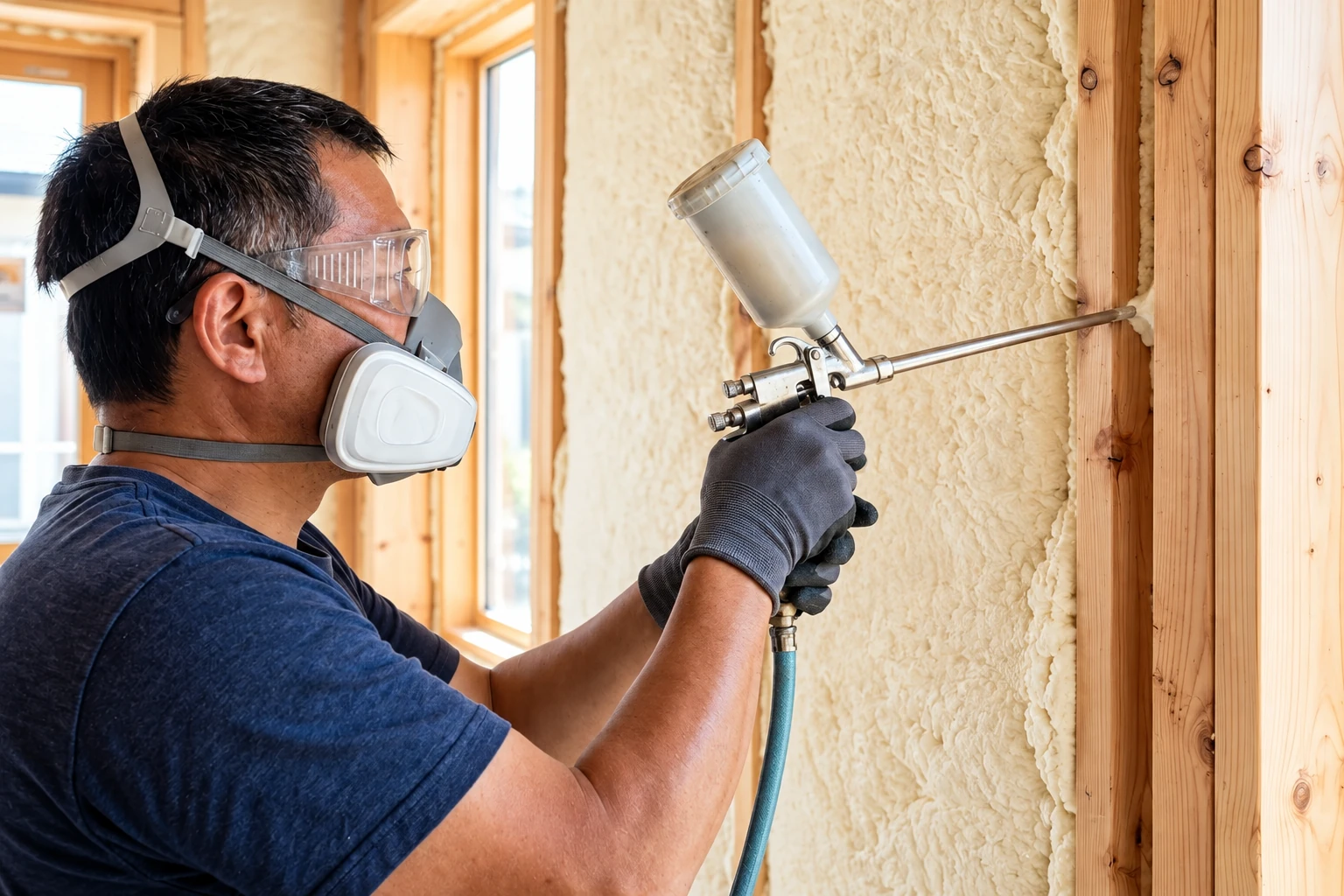
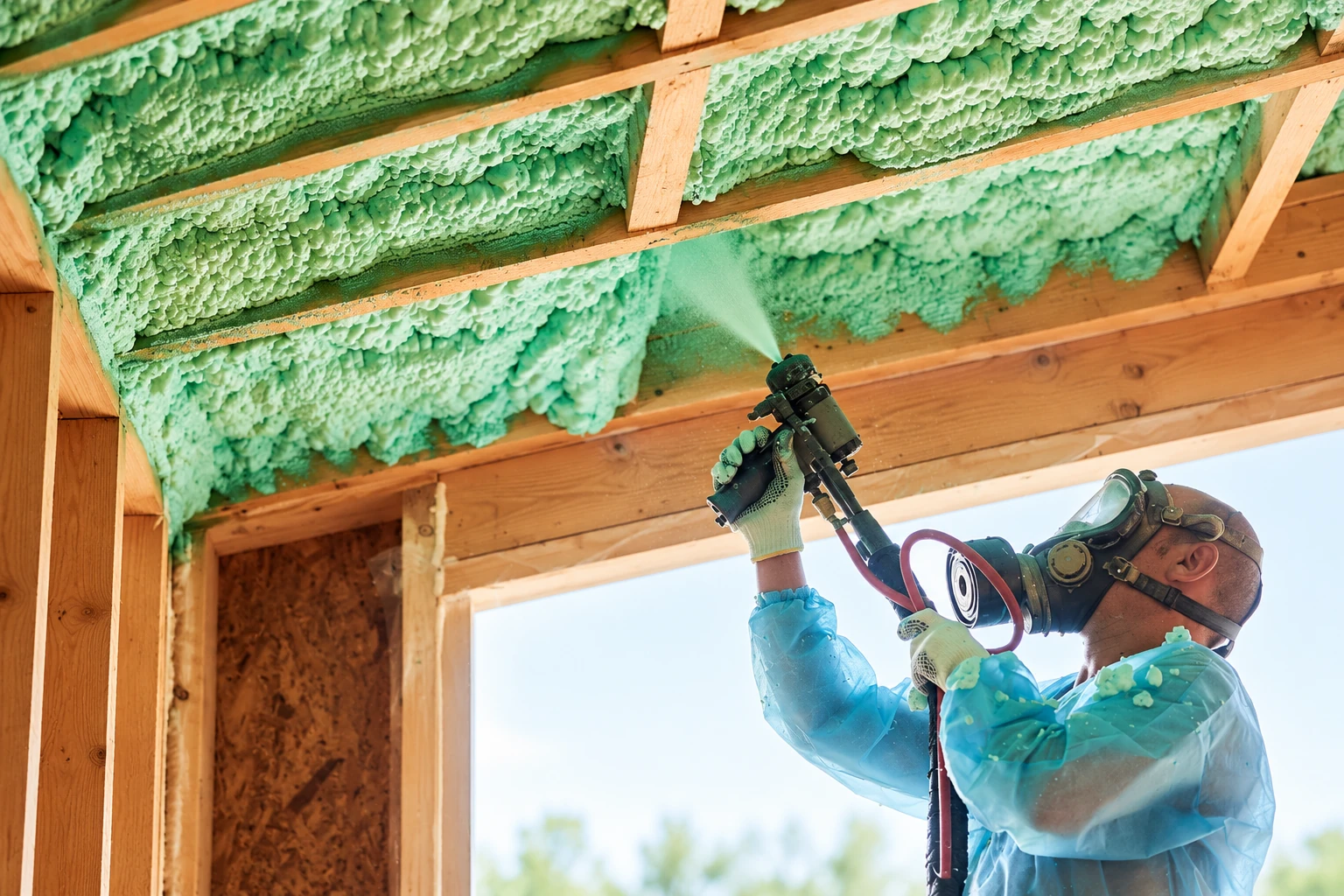
Open-cell foam is a soft spray foam we put in attics and wall cavities, and at the usual thickness it stops air moving through while it insulates, which is what lets the insulation work as well as it should. Before we settle on it, I ask whether anyone in the house has asthma, allergies or skin trouble, because federal product safety staff suggest those households read the product information closely and, if needed, go with a different insulation. Then I look at what's already up there, how many inches there are and whether any of it is wet or full of droppings, since foam sprayed over a problem just hides it. If your ducts don't run through the attic, I'll often tell you that sealing the gaps and topping up the loose fill does the job for less, and you decide. When foam is the right call, we help you plan a place to stay while it cures, pull out what has to go, protect the house and spray. The price mostly turns on the square footage, how deep the foam goes and how much old material comes out first, and the schedule turns on that prep and on when your household can be away, so I go over both with you at the estimate.
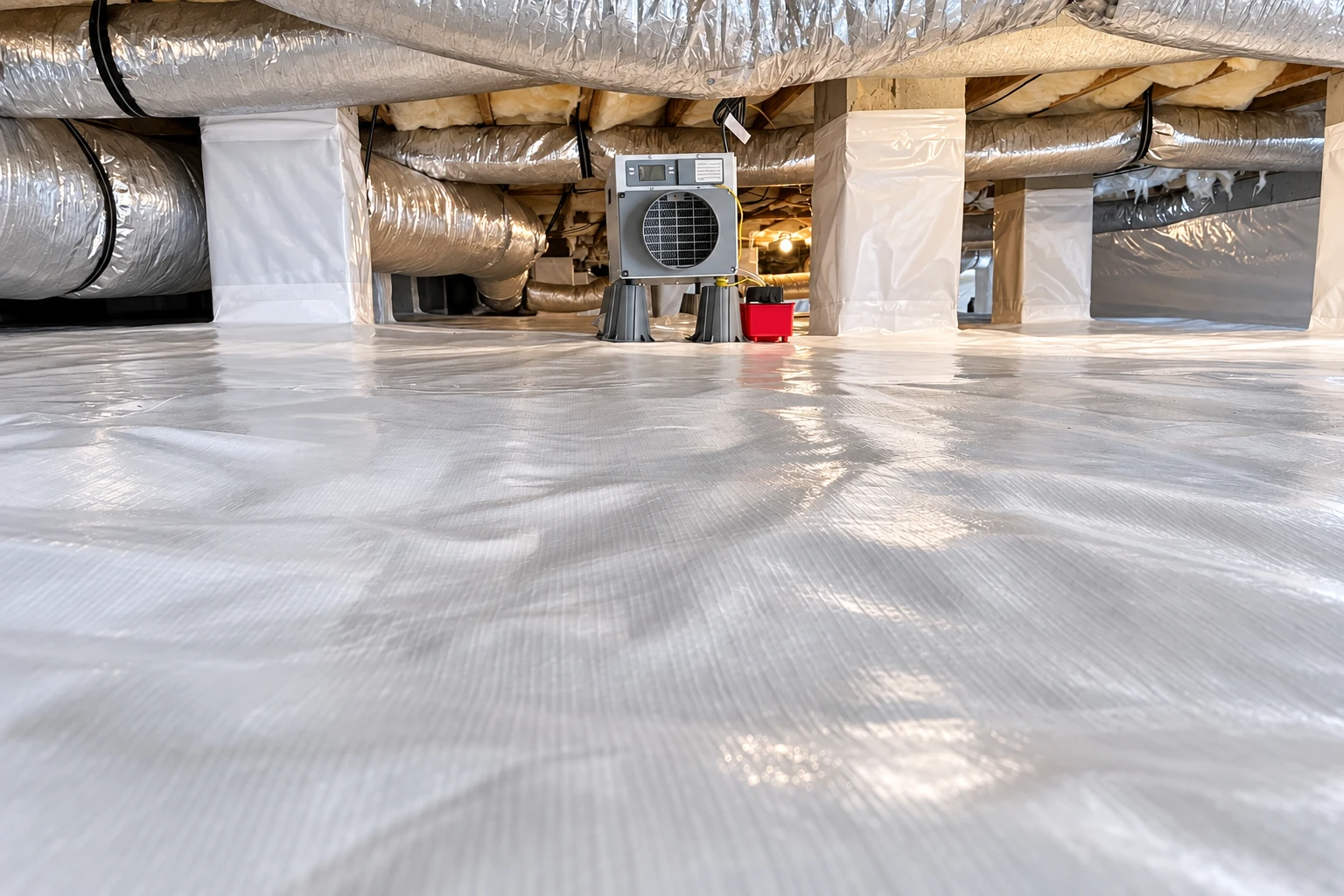
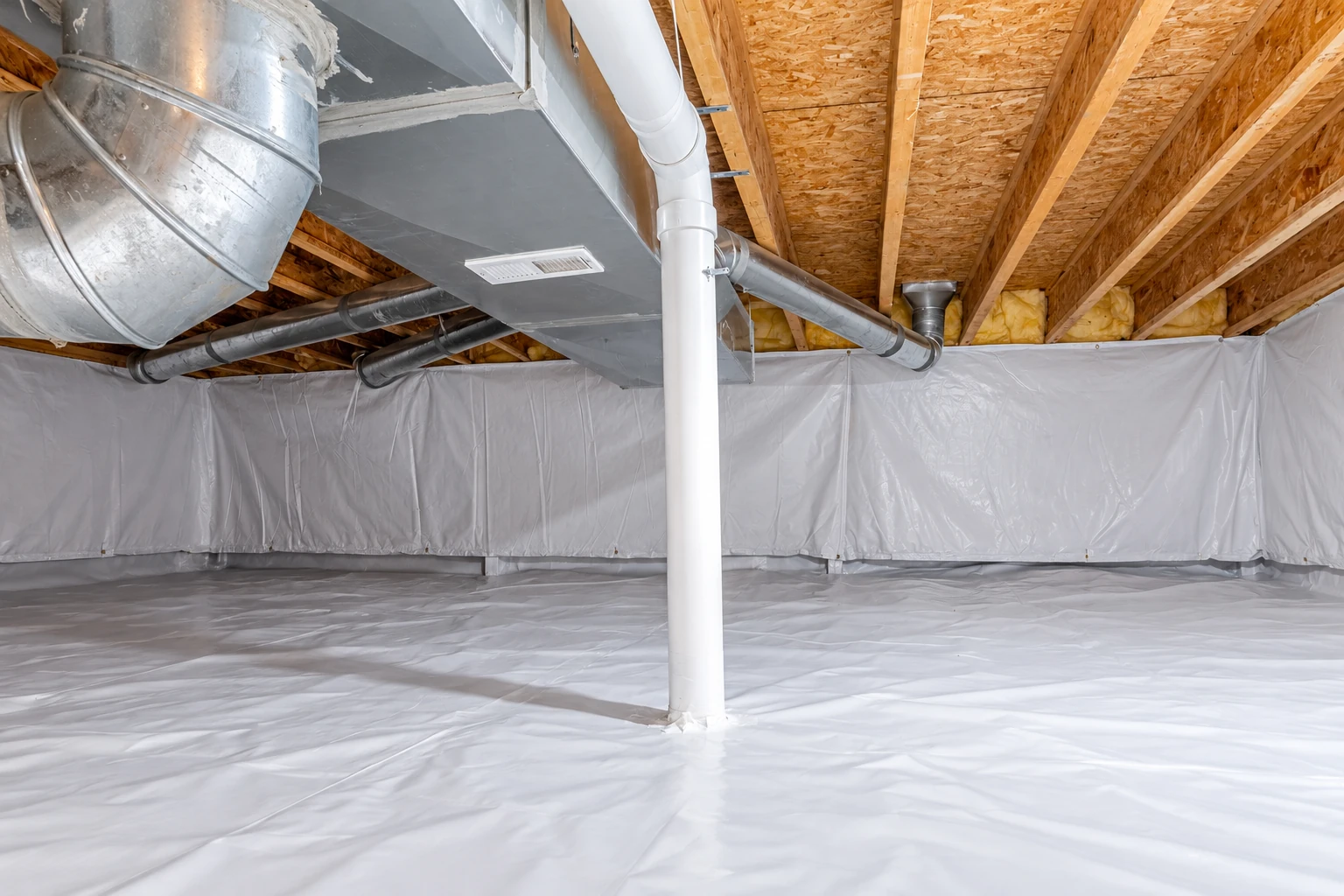
Foam work usually connects to what's under and around it. If your house sits over a crawl space, a crawl space vapor barrier keeps ground moisture off the floor framing, and it's worth sorting out before or alongside the foam. Landlords and small business owners call us for commercial insulation too, and we start those buildings the same way, with the prep.
What happens after you call about open-cell foam in Atwater?
It runs in four steps, and you see what I found and what it'll cost before our crew sprays anything.
Call or send a request
Call (209) 203-1623 or use the form, and we'll set up a visit. Tell us which rooms feel off so I know where to look.
Look it over together
I go through the attic, walls or crawl space with you and show you photos of what I found. Then we go over a written estimate.
Prep, protect and spray
Once you say go, our crew protects the house, fixes what has to come first and sprays the foam. You'll be away while it cures.
Walk through the finished job
When the space is aired out and cleaned up, I walk through it with you. Check the edges and corners, not just the middle.
Why Atwater homeowners call Atwater Spray Foam Insulation
I'm the one who comes out
I look over your house myself and work alongside our crew on the install, so what we agreed on is what gets done.
From helper to owner
I spent years crawling through attics as a helper before opening our own business here in Atwater in 2023.
Licensed and insured, ask to see it
We're licensed and insured, and since foam goes into the walls you live behind, I'm glad to show you both.
Most calls are drafts and bills
Around Atwater, most calls are drafty rooms and high bills, and I find the cause before suggesting a bigger job.
Get a free on-site estimate for open-cell foam
Tell us the areas you want insulated, the rough square footage and any asthma, allergy or skin concerns in the house. We reply within one business day to set up a visit, and the estimate is free with no obligation.
Open-cell foam up close
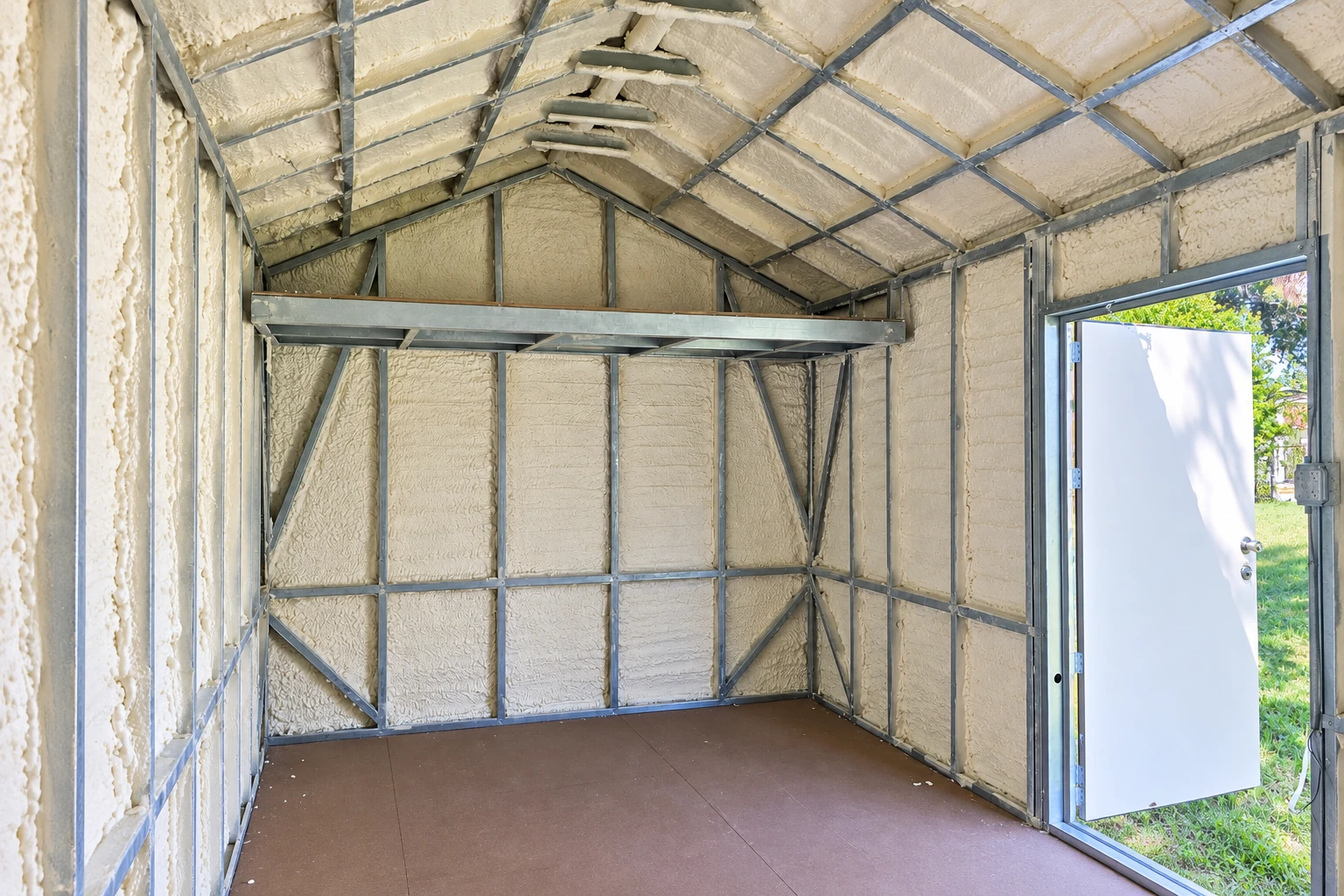
Look through these examples of open-cell foam in attics and walls to see what a full, even layer looks like from edge to edge.
Questions about open-cell foam
Here are the questions people in Atwater ask most before a foam job. If yours isn't here, ask me when I come out and I'll walk you through it.
How much does open-cell spray foam insulation cost in Atwater, CA?
Professionally installed open-cell spray foam across the US usually runs about $1.50 to $3.50 per square foot, and that's the market's range, not our quote. Because it's priced by the square foot of surface sprayed, the size of the area moves your total the most. I'll give you a written figure for your house once I've seen it.
Is open-cell or closed-cell foam better for my home?
Open-cell is usually the pick where you want air sealing and it's fine for moisture vapor to pass through, while closed-cell, a denser foam, slows vapor and insulates more per inch. A federal spray foam guide rates open-cell as preferred for wall cavities in hot-dry climates, and for that climate it rules out a vapor retarder, a layer that slows moisture, on the inside of walls. Which one fits depends on how much insulating and moisture control each space needs, so I may suggest different foam for different parts of the house.
How long do we have to stay out of the house after spray foam insulation?
Plan on at least 24 hours away, which is what federal product safety staff advise. They also say the safe time to come back varies with the product, the house and whether children or elderly people live there, so we help you plan a place to stay before we set the spray date.
Who is licensed to install insulation in California?
In California, the state licensing board's C-2 Insulation and Acoustical class covers installing any insulating material for temperature or sound control. That's the class that fits spray foam work, so it's worth asking any installer about their license before work starts.
How do I make sure spray foam insulation cures properly?
Ask your installer how they handle temperature, humidity, shutting down the heating and cooling, and the mixing and thickness of the foam, because EPA lists those as the things that affect how foam cures. EPA guidance also tells installers to shut off and seal the heating and cooling openings in the work area and to restart the system only after the foam has fully cured and the area is aired out and cleaned. I'm happy to go through each one with you at the estimate.
Do I need a permit for spray foam insulation in Atwater?
I'll tell you at the estimate whether your job needs one, and if it does, we take care of it with the City of Atwater Building Division and line up the inspection. The division runs plan reviews and field inspections, and its permit counter is open weekdays from 8 AM to 4 PM if you'd like to ask about your house yourself.
Ask about open-cell foam for your attic or walls
Call (209) 203-1623 to talk it through, knowing the work is backed by our satisfaction guarantee.